Accessibility problems caused by web designers
Web users, their knowledge, and capabilities can be quite different. A modern website that meets the European Union requirements is inclusive and accessible, which means it can be easily used by people with special needs, the elderly, children, as well as everyone else.
To achieve this, it is important to follow the WCAG criteria when planning, developing, and managing any web environment. Testing the website with target group representatives is also recommended.
Today, accessibility does not receive enough attention across Estonian websites because the general awareness on the subject as well as the level of inclusive design and development is still quite low.
As we already know, there is no silver bullet when it comes to uncovering and fixing accessibility problems. Web-based automatic tools cannot find most of the accessibility problems because they simply cannot be programmatically determined.
That is why it’s important to also test websites manually and try to use them the same way that users with various assistive technologies do.
It’s also not enough to only train your developers to fix the problems you discover – you also need to work together with designers and ensure that the content managers are constantly paying attention to accessibility.
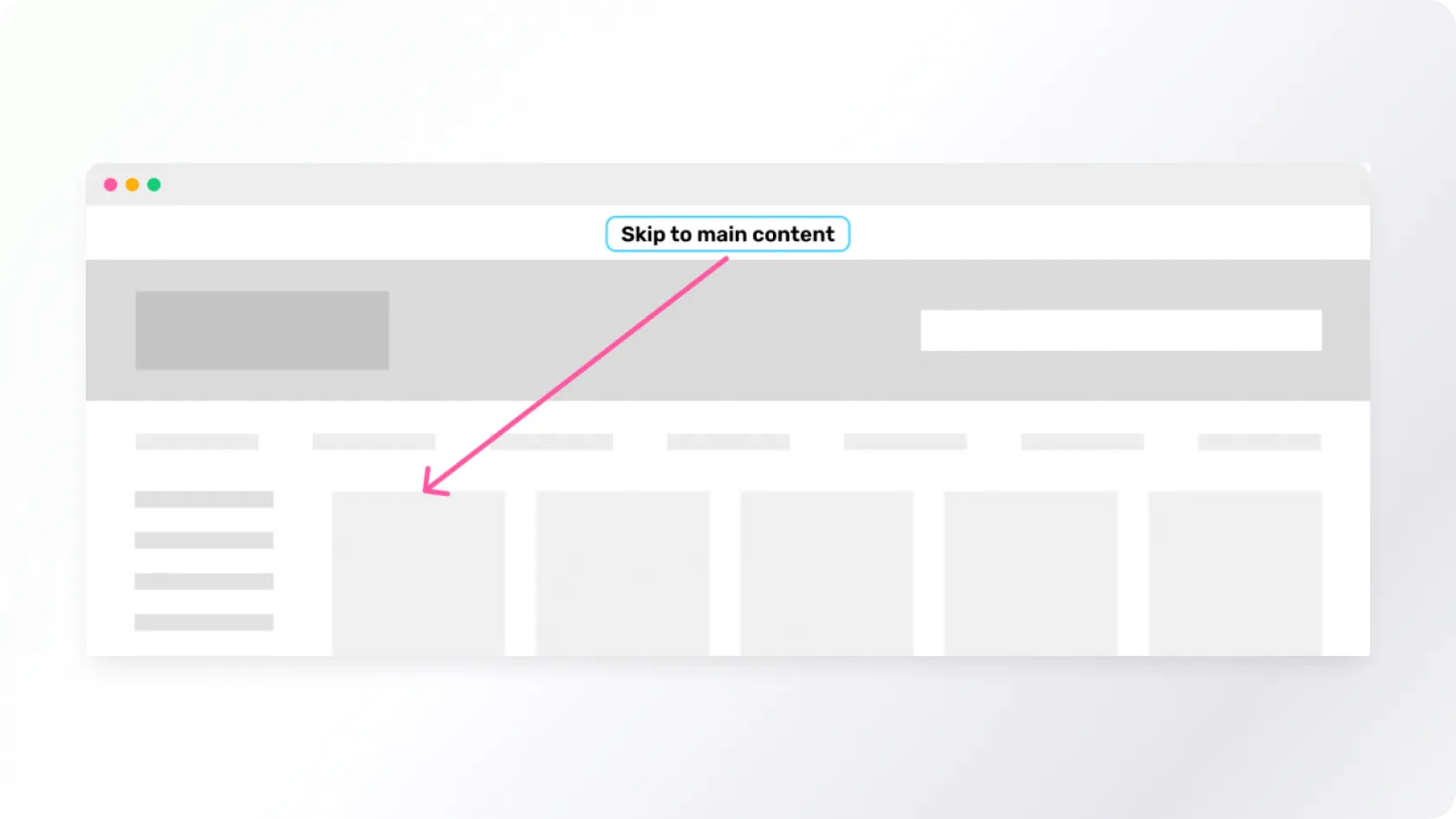
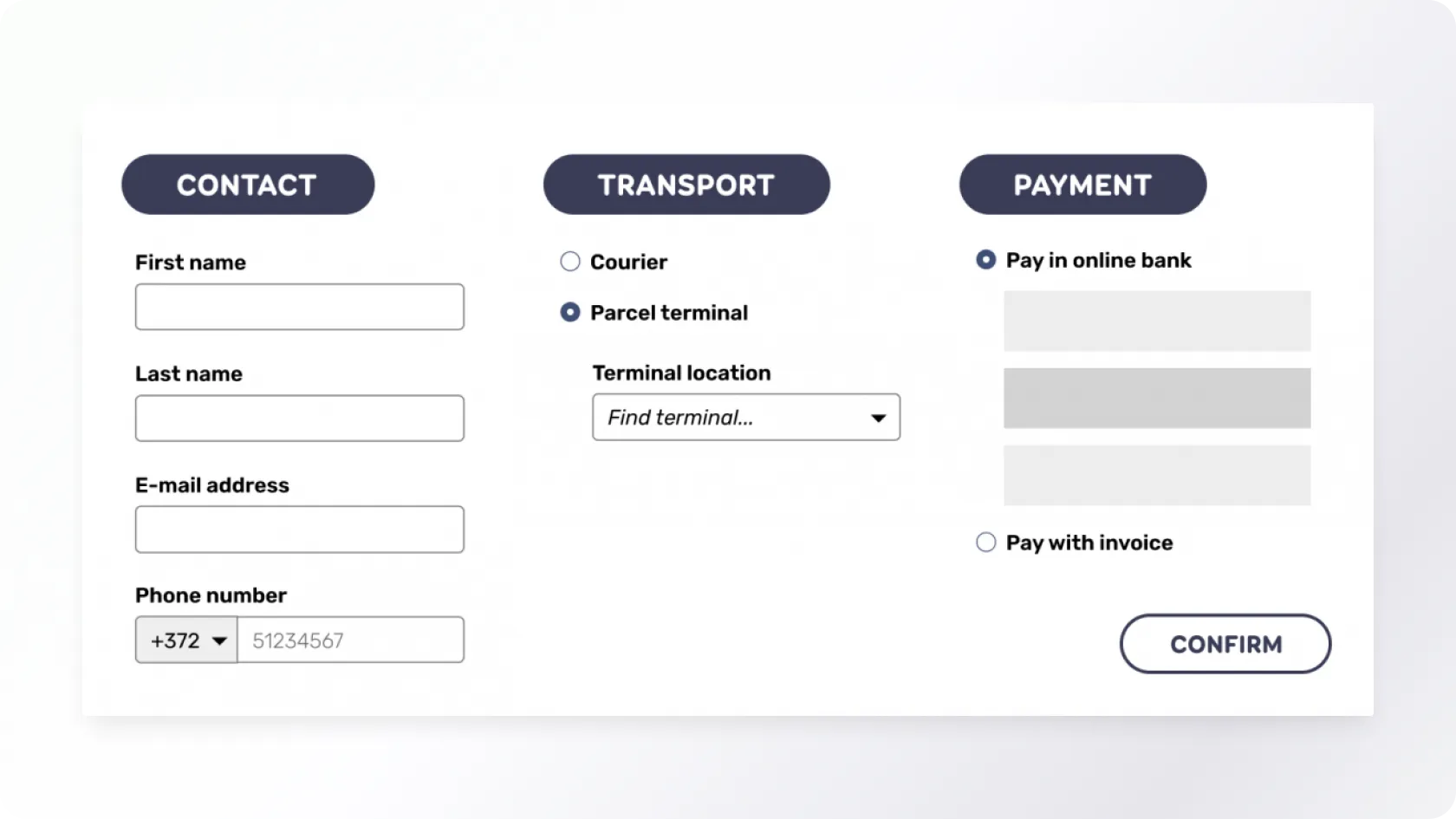
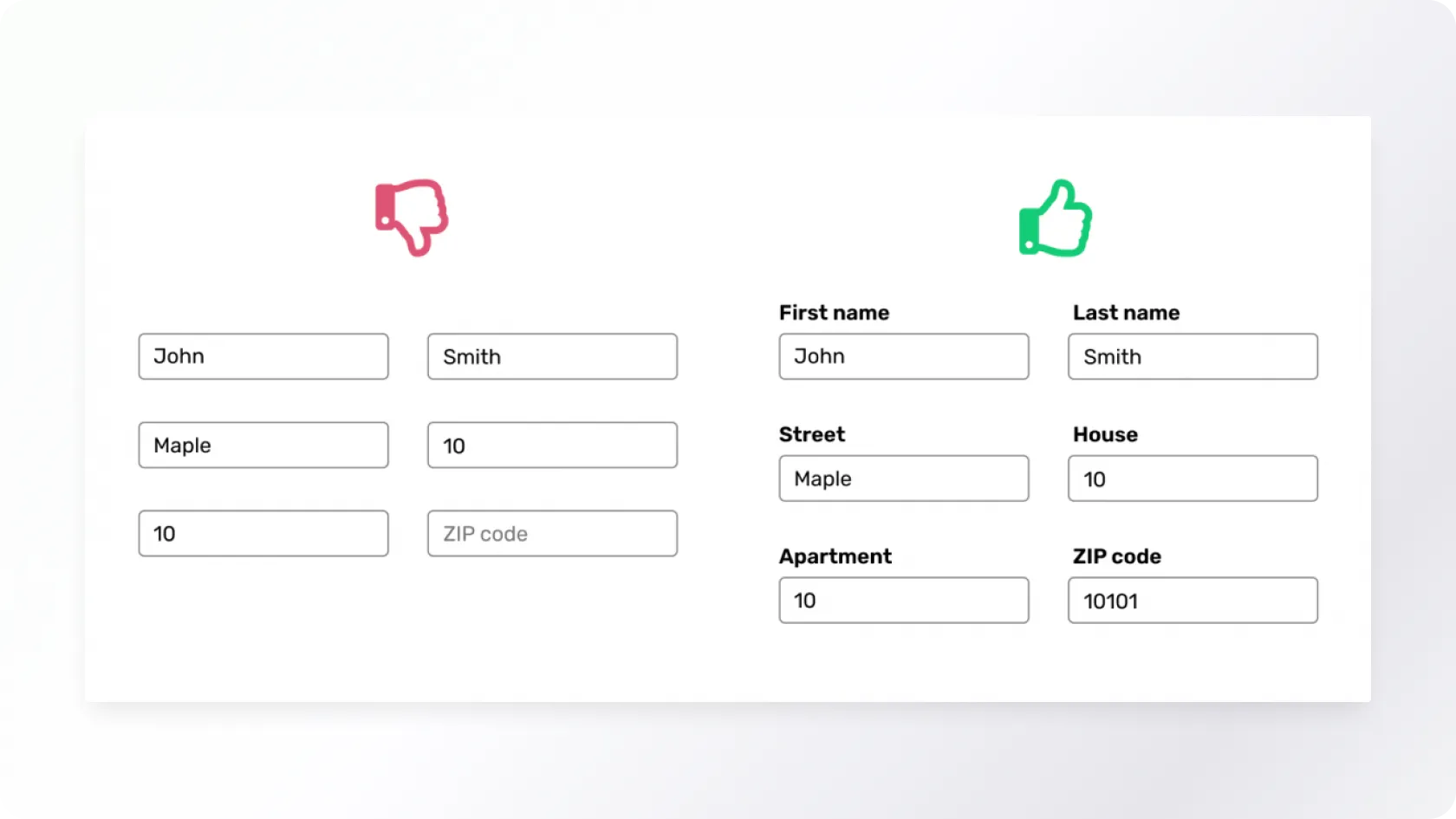
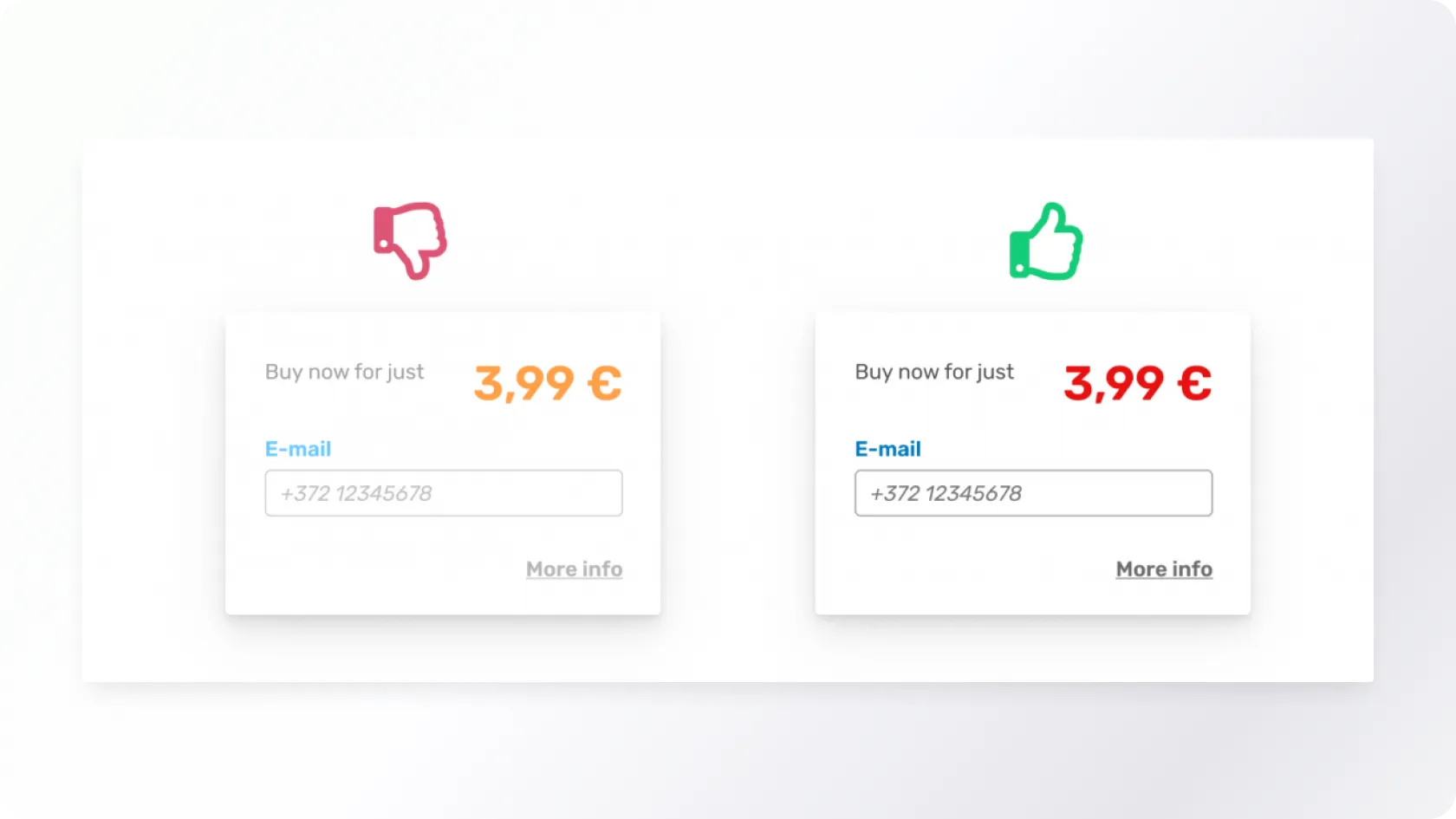
In this article, we will shed some light on those accessibility problems which can be caused as well as avoided by web designers. Although there is a big difference between UX and UI designers, we will refer to both under the same term here for clarity. All the examples below stem from real experiences and websites.

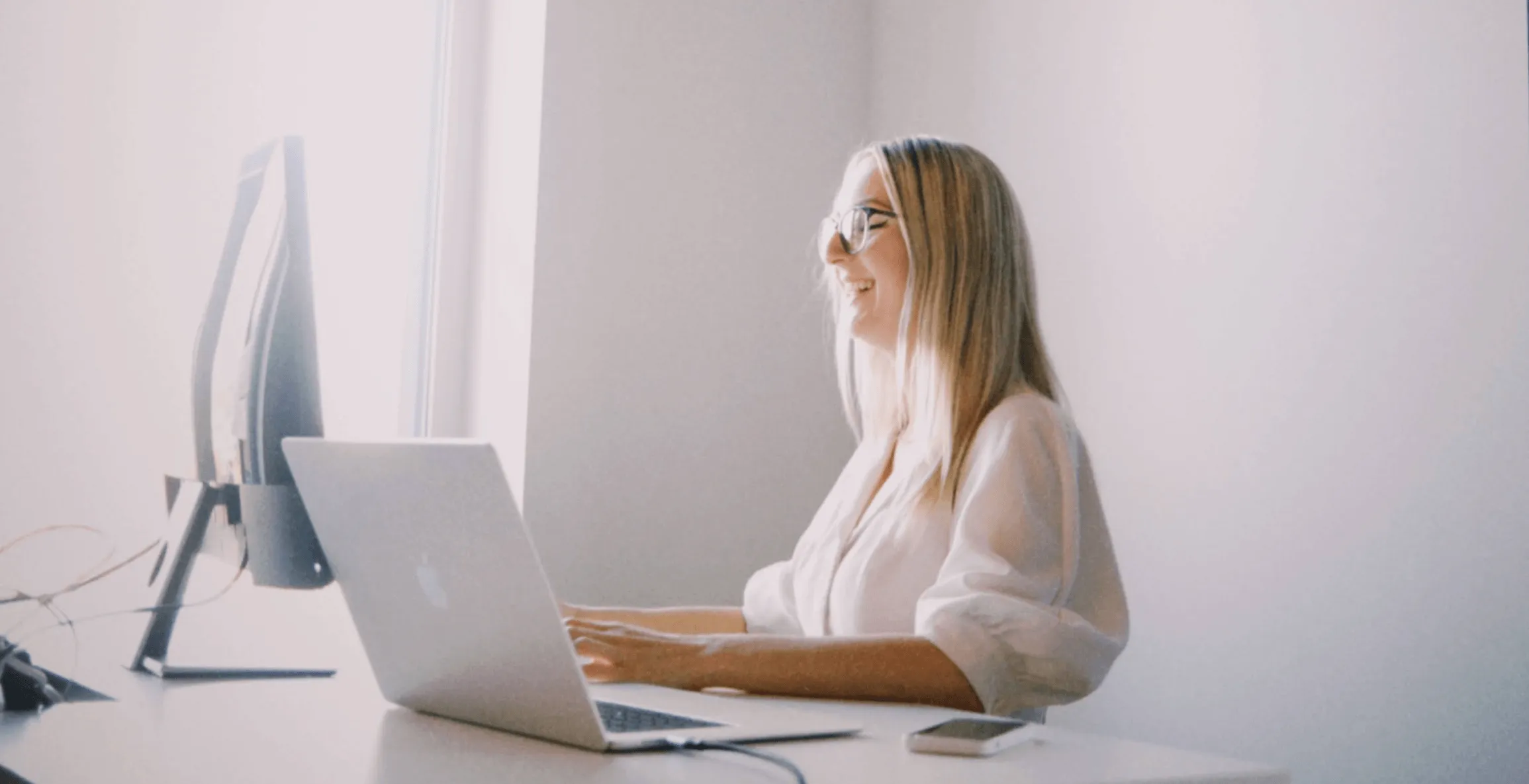
Image 1 – Web accessibility benefits not only people with special needs, but also the elderly, children, and many others.
Conclusion
Ensuring accessibility is not just a task for developers, but something that designers and content managers must also contribute to. In this article, we looked at some of the most common accessibility problems that the UX and UI designers can help to avoid.
You can find inspiration from these inclusive design posters.
Would you like to discuss your ideas?
Book a free 30-minute accessibility consultation

Kadi Rosenthal
Accessibility Specialist
We will help you identify your accessibility needs, establish a clear plan for training or an audit and provide a concise overview of your website’s accessibility.