Implementation of Jira Service Management in the Ministry of Education and Research
The Ministry of Education and Research (HTM) is an Estonian government institution. Its main task is to ensure the targeted and effective development of education, research, youth and language policies, and the high level and competitiveness of research and development activities.
HTM also coordinates the development and management of information systems in the field.
The article describes the implementation of Jira Service Management (JSM) in HTM in 2023.
Both HTM employees and the TWN consultant who participated in the implementation shared their observations.
Starting point
The ministry started preparing for the implementation of JSM for HTM's IT services help desk at the end of 2022, and the work started in the first quarter of 2023.
"Atlassian products Jira and Confluence were already in use in HTM in IT development and administration as well as in document management. Helpdesk workflows were previously managed with the freeware Request Tracker. Atlassian's Jira Service Management was chosen for user support and effective environment consolidation. The integration of other solutions with Atlassian products would have been too resource-intensive," explained Toomas Adson, HTM's Atlassian product owner.
Describing the expected benefits of the change, T. Adson confirmed: "In the future, information about the health of services and formation of bottlenecks from the help desk will reach the units managing developments better. Changing user support software is part of the development of HTM's IT services portfolio."
Since configuring Jira Service Management to meet the needs of the help desk was a large task, it was decided to involve TWN as an external partner.
The cooperative relationship with TWN already existed at that time - for example, TWN consulted on implementing HTM's Jira automation rules.
Preliminary work
In the first stage of JSM implementation, HTM employees mapped the work processes of the help desk.
The user support described the life cycles of different types of customer calls, from the registration of the call to the customer's feedback on the work done.
HTM's user support is not only reactive (i.e. responsive to requests) but also proactive (sends notifications to customers/customer groups).
"After familiarizing myself with the processes, I started configuring Jira Service Management. The customer's condition was that the settings made in JSM for managing the workflows of different information systems must be able to be changed and supplemented in the future using best practices," explained Kevin Kadakas, the implementation project manager on the TWN side.
The challenge: to migrate the IT user support of HTM serving thousands of institutions to a new system
As of the implementation, 23 IT services offered by HTM to educational, scientific and cultural institutions are connected to JSM.
A list of about 4,000 educational, scientific, cultural institutions and other partner institutions was imported from Request Tracker into Jira.
The data of individual users (employees of client institutions), previous appeals and other correspondence were not imported.
Among the services supported through JSM are nine major information systems, including EIS, SAIS, MOODLE, EHIS, Tahvel and others.
Various education-related processes and data are managed in those systems: school admission, taking exams, organization of curricular activities, Estonian education information system, etc.
HTM's technology management department also offers network and infrastructure services to the institutions of its target group (education/science/culture): internet connection, domain and name server service, website platform, etc.
Depending on the type of case (e.g. incident, consultation request, service request, etc.) each service has several specific metadata fields filled in by the user support or must be initialized automatically before the reporter can create the ticket.
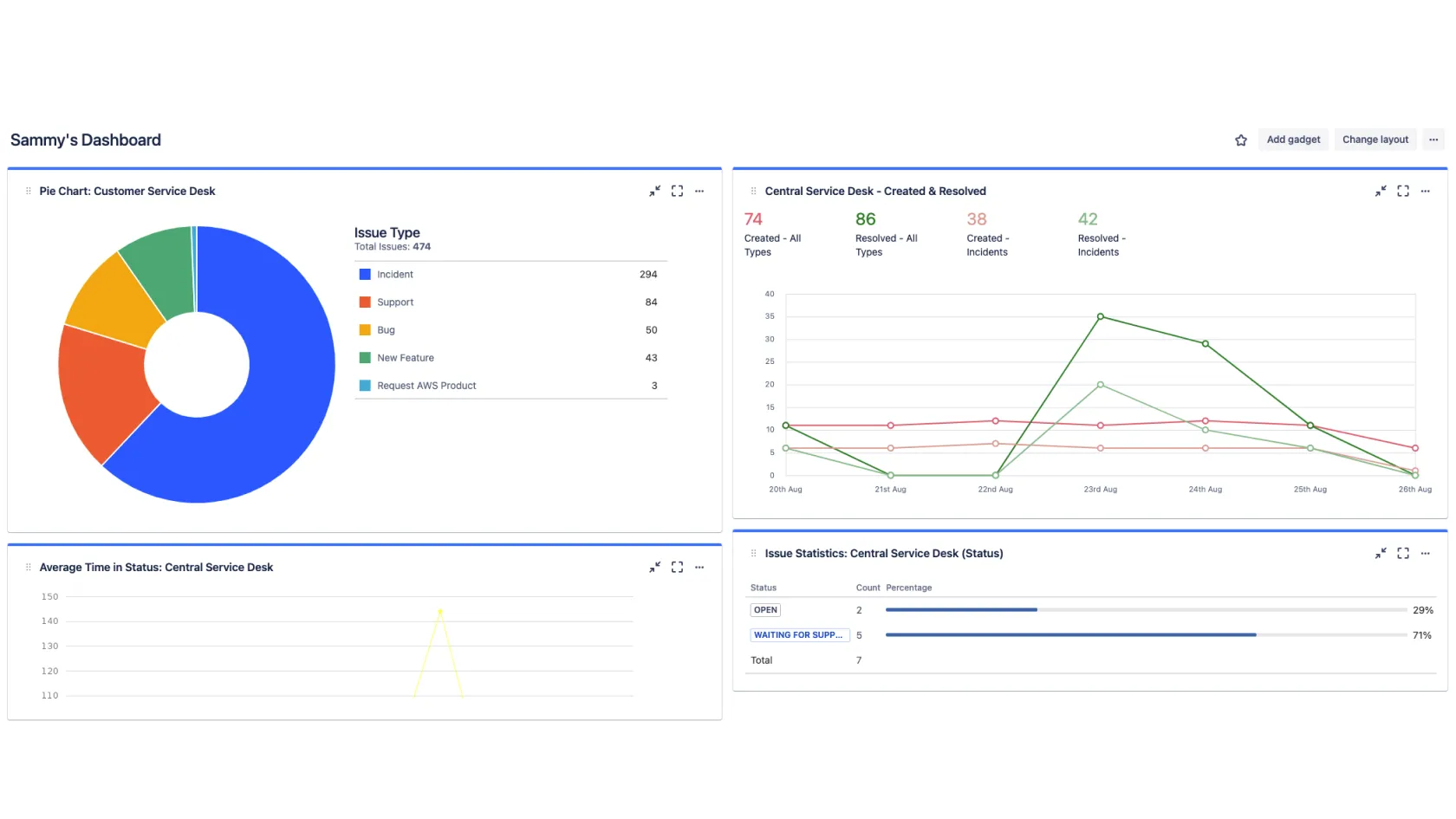
Metadata enables the generation of operational statistics about services and appeals.
Different groups of employees work with the support of services and information systems, and the division of labour is changed dynamically according to the changing support needs of a particular information system/service during the academic year.
About 24,000 requests are resolved annually by user support, including e-mail and phone. The JSM instance manages e-mails sent to multiple role addresses.
The call centre also generates and sends an e-mail with call data for telephone calls.
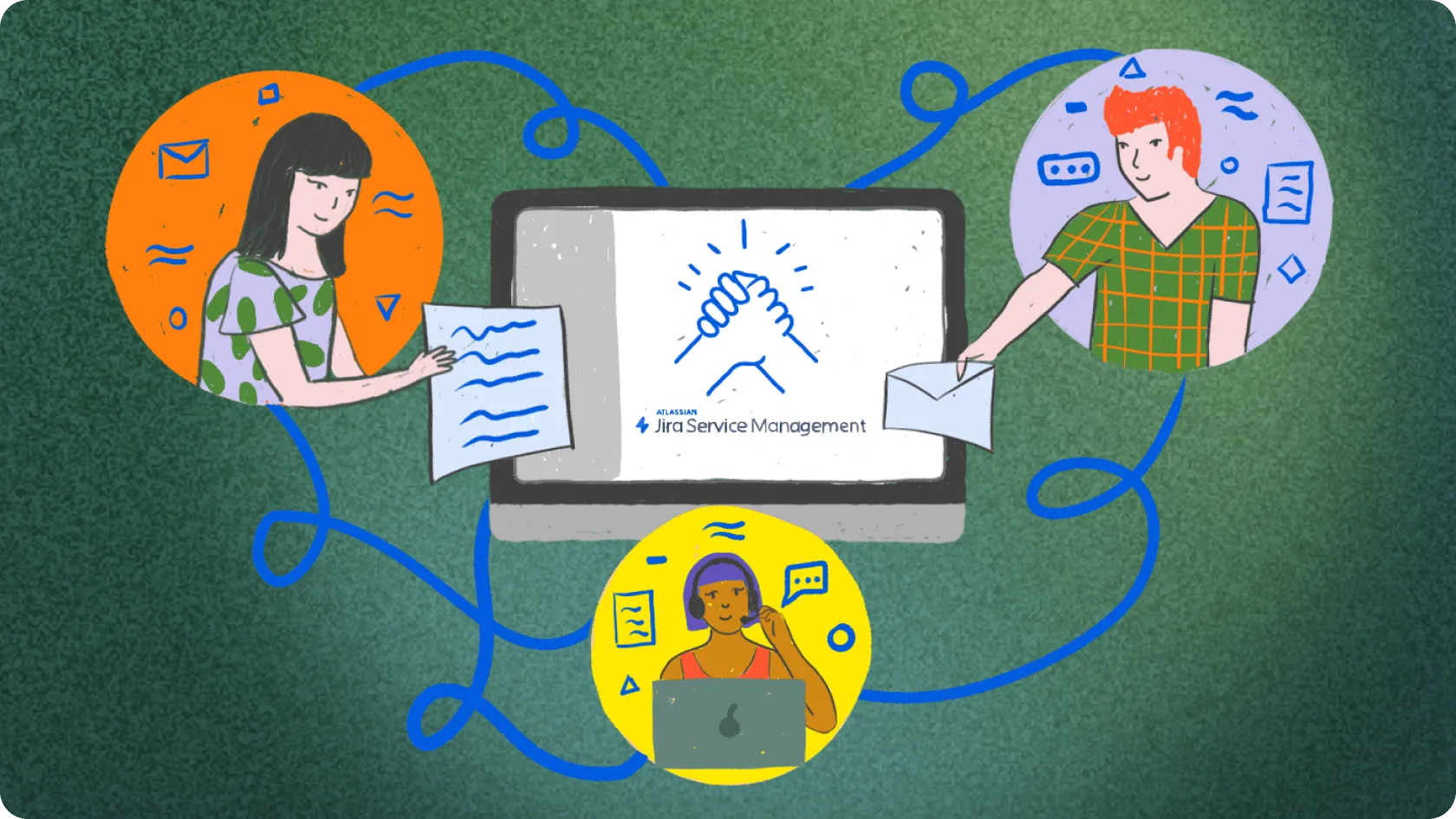
Figure 1. Communication between reporters and help desk through Jira Service Management.
To implement JSM as an end-to-end solution, TWN proposed that individual JSM projects would replace each Request Tracker thread.
"Looking at the HTM JSM implementation plan and assessing its scope with colleagues, it quickly became clear that 4, 5 or even six months are needed to completely migrate and set up all requested details on JSM. At the same time, it was an interesting challenge," said K. Kadakas.
Setting up the fields and screens (a total of 320) was the most time-consuming stage.
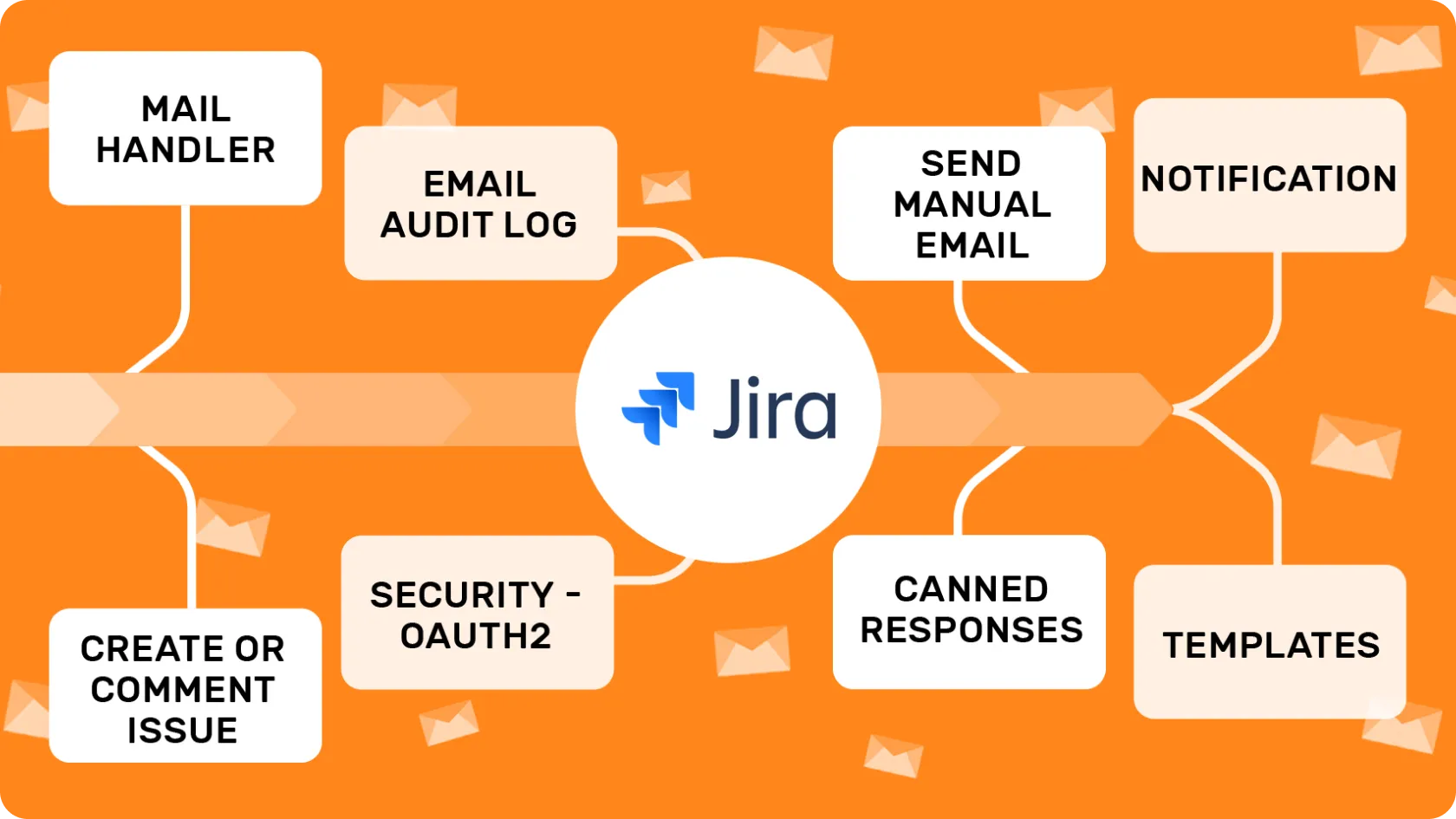
However, the most technically complex stage was developing a solution for generating tickets based on e-mails received from role addresses.
Recommendations of the help desk of the Ministry of Education and Research
Here are the HTM help desk team's recommendations for other organizations planning to implement Jira Service Management.
- Take time to analyze and describe the initial task in detail. Get the whole team involved.
- Test your workflow in a new environment.
- Ensure proper communication when planning and implementing changes.
"Involvement of help desk team members from the first day of setting up the product helped. In this way, we could request the system's configuration according to business needs. The employees who participated in the setup process, in turn, guided other team members in the first weeks after the transition to Jira Service Management."
- Technical consultant of the helpdesk Doris Allese.
Would you like to discuss your ideas?
You can contact us at any stage of the project - from the development of the idea to the creation and evaluation of new digital solutions.

Write or call, and together, we will find the best way to bring your idea to life. We will reply shortly, and our experienced team will ensure that the project will succeed from the very first idea to the final execution.