
What prerequisites must be met for the development of proactive e-services?
When discussing the creation of proactive e-services, it is vital to understand the maturity level of your organisation in providing services. The narrative may vary by country and organisation. On the one hand, we can talk about the next step for an already mature digital society in adopting e-services. On the other hand, and in contrast, we can discuss the development path of the digital society with low maturity that it must undergo.
This article starts from the perspective of low maturity and addresses the basic prerequisites for the creation and development of e-services, aiming ultimately to achieve proactive event-based services.
Public services can be provided as over the counter services, meaning the customer physically turns up, completes an application, submits additional documents, and an official verifies their identity. If all goes well, they receive the value associated with the service (e.g, child benefit or a suitable date for marriage registration).
On the other hand, services can be delivered using digital channels where direct contact with the customer is minimal, and the individual's intention is verified through a digital application. Value is provided after the application is approved.
Proactive services take the digital service a step further and assume that the customer wishes to receive a benefit, even if they are not yet aware of it. For proactive services, the prerequisites for receiving the benefit are checked without the person's explicit intention.
If the conditions are met, the benefit is offered to the customer, and their task is to say whether they wish to accept or refuse it. With proactive services, the effort made by the customer to receive the benefit is eliminated.
The value propositions of e-services and proactive services are as follows:
- E-service value lies in its independence from physical location. Services can be offered both domestically and internationally. Physical channels won't disappear immediately, and their complete elimination shouldn't necessarily be the goal. However, over time, customers will transition to digital channels. E-services allow both the consumer and provider to save time.
- The value of proactive services lies in greater automation and time savings for both the service provider and the customer. It also eliminates the need for the customer to be aware of the service and to apply for it at the right time. For instance, various supports associated with the birth of a child – the customer no longer needs to seek them out.
We are accustomed to traditional state services where we must initiate contact with the state in regard to the events in our life (e.g., birth of a child, property acquisition, retirement). In Estonia, there's a direction towards developing proactive services, and currently, two proactive event –based services have been established.
The first is the birth of a child, where, upon birth registration, parents are offered benefits and maternity leave. The second is marriage, where, upon expressing the desire, opportunities are provided for establishing property relations, changing names, and choosing a date for marriage registration.
Service Management Maturity Model
In the analysis "Unified Portfolio Management of Public Services", a model was developed to describe the technological maturity of public services.
At the lower levels, the focus is on making service information accessible. As maturity rises, application forms become accessible, and then they can be submitted via email. Moving forward, online forms and self-service portals come into use. It's crucial to note here that proactive services represent the highest level of maturity.
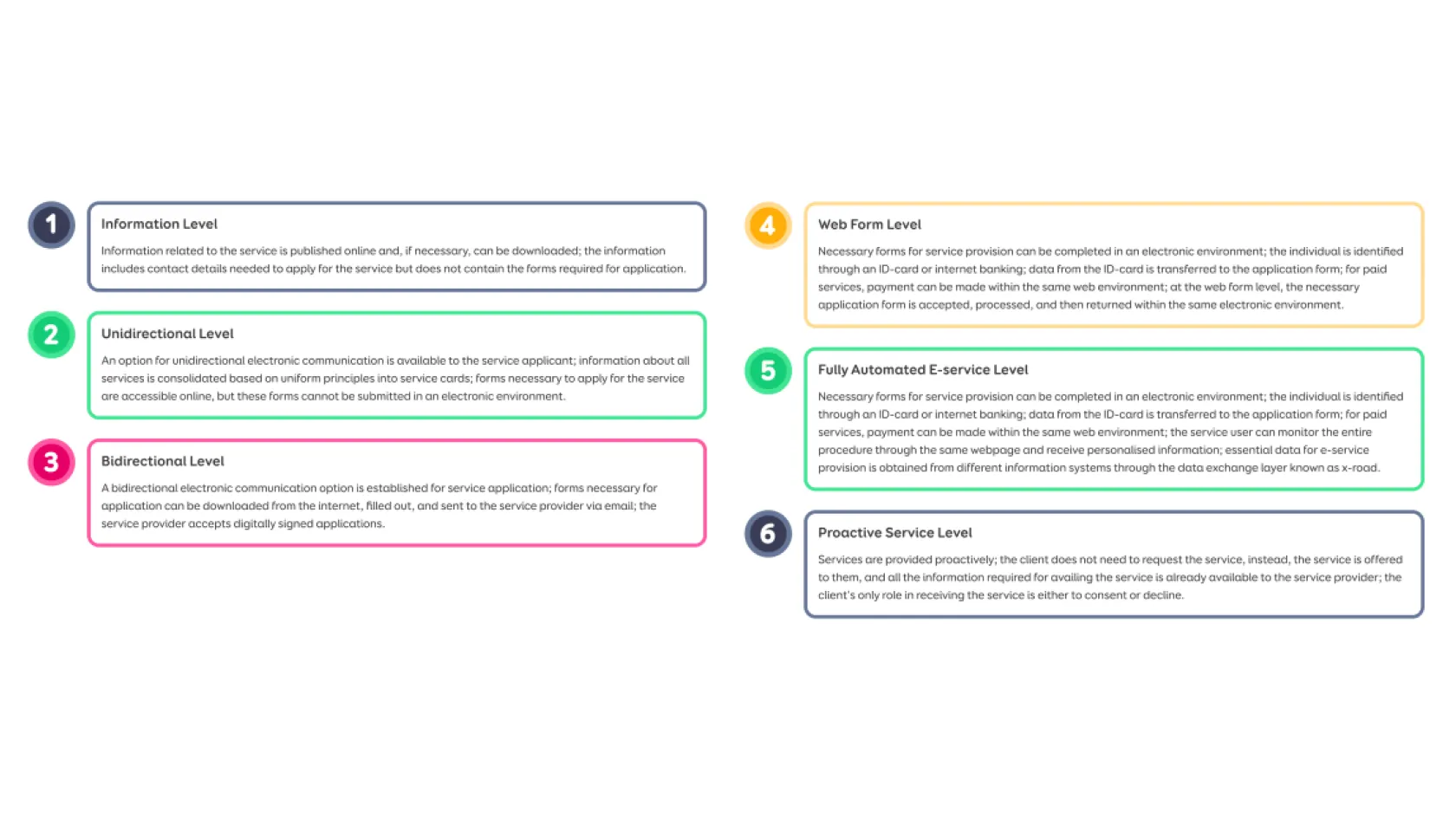
Figure 1. Technological Maturity Model of Public Services (PricewaterhouseCoopers 2014)
When considering the maturity model, it is essential to understand that each lower level creates prerequisites for achieving higher-level maturity. For example, the second level of maturity establishes certain formats that can be seen as standardised datasets.
The fourth level presupposes a system capable of receiving data, while the fifth level turns the procedure entirely electronic. At the sixth level, proactiveness is achieved. It is impossible to skip maturity levels, but they can be navigated more swiftly.
5 Key Preconditions for Creating e-Services
Summary
Let's wrap up the article with a checklist of significant factors to consider if you're planning to create proactive event services:
- Event- based services are not an end in themselves but should stem from a business need. In some respects, they're about convenience, sparing the subject from spending more time and needing to know about the service's existence.
- Proactive services are reached gradually as maturity grows.
- For the creation of event-based services, both individuals and legal entities subjects need to be uniquely identifiable.
- There needs to be a trustworthy authentication system to offer digital services.
- To create event-based services, there's a need to exchange information from different sources through the data exchange layer without necessarily asking the subject’s consent.
- Sector-specific systems making basic data available for other systems must exist.
- A proactive public service is an advanced digital service and presupposes a reasonably high standardization level.
- Legal framework needs to change and keep a pace with the growing complexity of public services.
Would you like to discuss your ideas?
You can contact us at any stage of the project - from the development of the idea to the creation and evaluation of new digital solutions.

Get in touch
Write or call, and together, we will find the best way to bring your idea to life. We will reply shortly, and our experienced team will ensure that the project will succeed from the very first idea to the final execution.