As a manager, can you sleep peacefully without worrying about your business? If not, consider bringing in a business analyst.
How do you know if and when you should include a business analyst? "Finding the answer is very simple. It all comes down to how you feel - is everything going well in your business? Yes or no?" explains Trinidad Wiseman business analyst Mihkel Lauk.
Here are some self-check questions that will help you determine whether you should consider involving a business analyst. If you answer yes, read on because this post may contain useful information.
- Are business worries disturbing your peaceful sleep?
- Do you control all of your business processes, or do they run their course?
- Do you feel something is missing in business processes but can't formulate or identify the problem?
- Do you perceive business potential but do not know which change would improve the results?
- You have not learned, tested or practised the application of analysis methodologies yourself?
- You have tried to analyse the business but failed?
- Are you in the early stages of business, and your management process is new?
- Would you like an external expert to assure you everything is in order?
- Have you thought about digital transformation but don't know how to start?
- Are you already managing business processes, but would you like to do it more effectively?
- Do you want to enrich your knowledge and the knowledge of managers and bring knowledge of business analysis to the company?
„The symptom and the cause may not be the same."
During customer meetings, we have noticed that the customer has identified a business symptom and wants to order a solution. As external experts, we have an excellent opportunity to take a step back and look at the big picture.
We may discover that the actual cause of the symptom is unknown, and therefore the ordered solution would not produce the expected result.
A business analyst will help you dig out the real root cause so that you know what you are facing and what the countermeasures are. It is not worth relieving the pain with a painkiller if the real solution should be a chiropractor appointment.
What are the results of the business analysis, and what are the examples of completed projects?
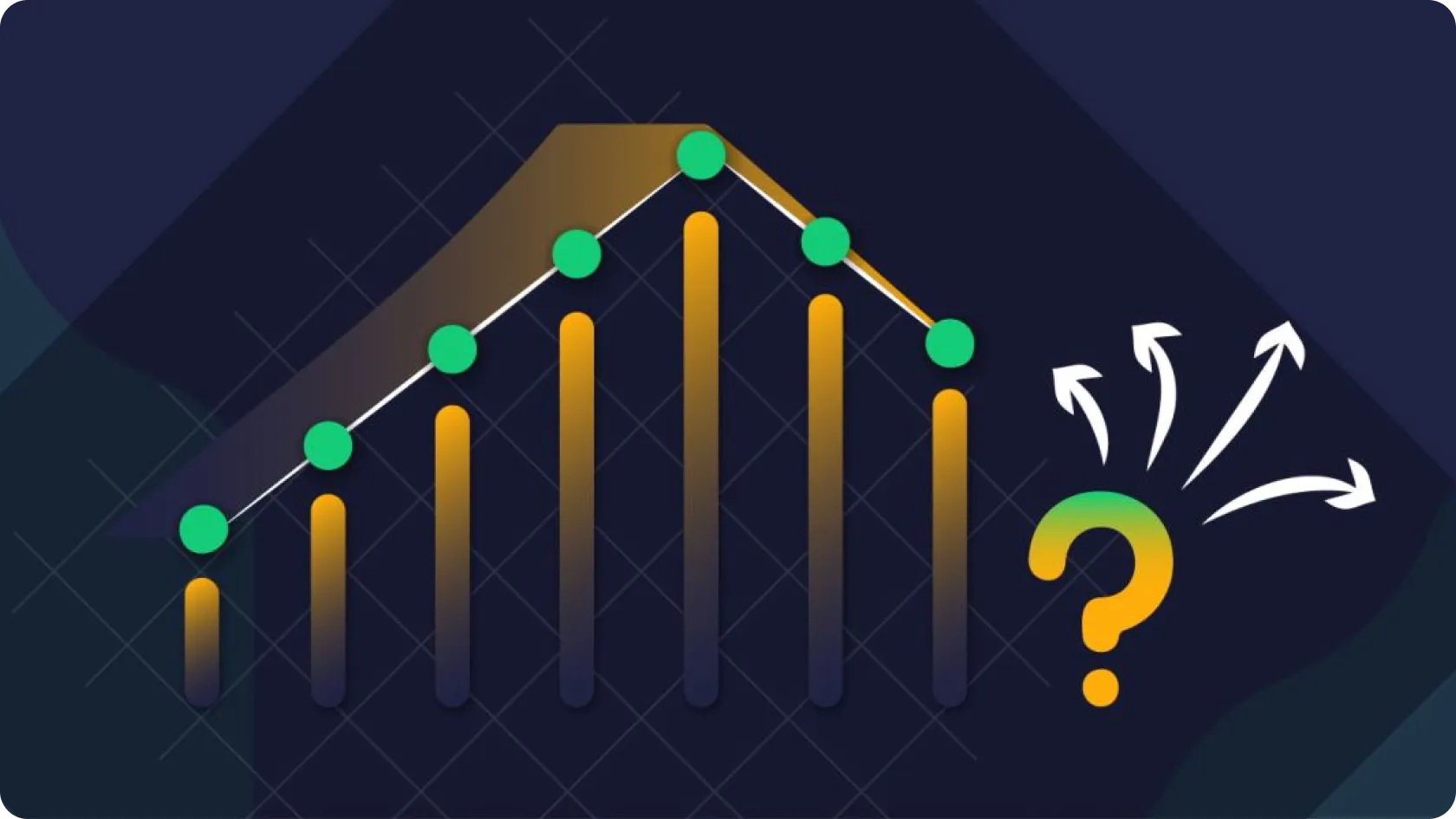
The output of the business analysis is never the same in terms of content - the content that comes from the description of business processes is different in terms of the purpose of the analysis. However, setting the wrong goal is the biggest mistake you can make in business analysis. So it's worth taking the time to set it up.
Depending on the goal, the following can be determined as a result of the business analysis:
- Would the planned change bring the expected result, and should it be done?
- Buy a service/product or do it yourself?
- Do the planned process manually or automate it?
- Is the planned investment worth it?
- In which business process does waste occur?
- Which business process does not create value?
- Are the right parties involved in the processes, and do they have the right responsibilities?
- Which business processes may not withstand emergencies?
Example 1: processes are not standard - you cannot outsource customer support.
The health care service provider wanted to know whether it would be more reasonable to outsource customer support or to do it themselves.
It turned out that outsourcing does not make sense because the business processes are not standardised enough for the service provider to support them.
Each customer service case may be special and require special knowledge of business processes, and making this information clear to an external service provider would have been unreasonable and led to excessive risks.
Example 2: the analysis showed that every euro invested in the e-residency program brings back 100 euros to the Estonian government.
Speaking of the profitability of investments, we give an example of a success story in the form of the e-residency project, where the team's analysis and calculations were also professionally certified by Deloitte.
The e-residency program is a beneficial investment for the Estonian government in economic and socio-political terms. Every euro invested in the e-residency program is estimated to return 100 euros to the government.
Example 3: the main problem was in the business organisation, not in the booking system.
For the health care service provider, the main goal of the analysis was to map out the requirements of the resource (rooms, specialists, time) planning system.
The need for such a system was based on the customer's hypothesis that the premises are fully occupied, and therefore it is not possible to make additional outpatient appointments. During the business analysis, we questioned the hypothesis and set out to validate it.
We took the data from the reception schedules as a basis and enriched this information with the receptions that actually took place. The data analysis concludes that on certain days the rooms are completely free, and on other days they are occupied only between 10 am and 2 pm, which is also the preferred working time of specialists.
In total, we determined that the premises are free about 40% of the time in one month, and it would be possible to make additional doctor's appointments there. The main problem was in the business's organisation, not the booking system.
An IT solution was only one possible way to help solve the problem of space use. Work processes and organisational changes are much more critical, which can be done even without a new booking application.
Example 4: during the analysis, we found that the service described in the draft law would not have achieved the expected results.
In Estonia, family reconciliation services are currently unevenly available at the level of local governments. Parents who cannot come to an agreement regarding the child's future during the separation need impartial support in the reconciliation process.
A nationally coordinated family conciliation service with uniform availability throughout Estonia would enable parents to create agreements focused on the child's welfare and reduce long-term court proceedings. Trinidad Wiseman carried out a preliminary analysis of the information system needed for the family reconciliation service based on the draft law that is being approved.
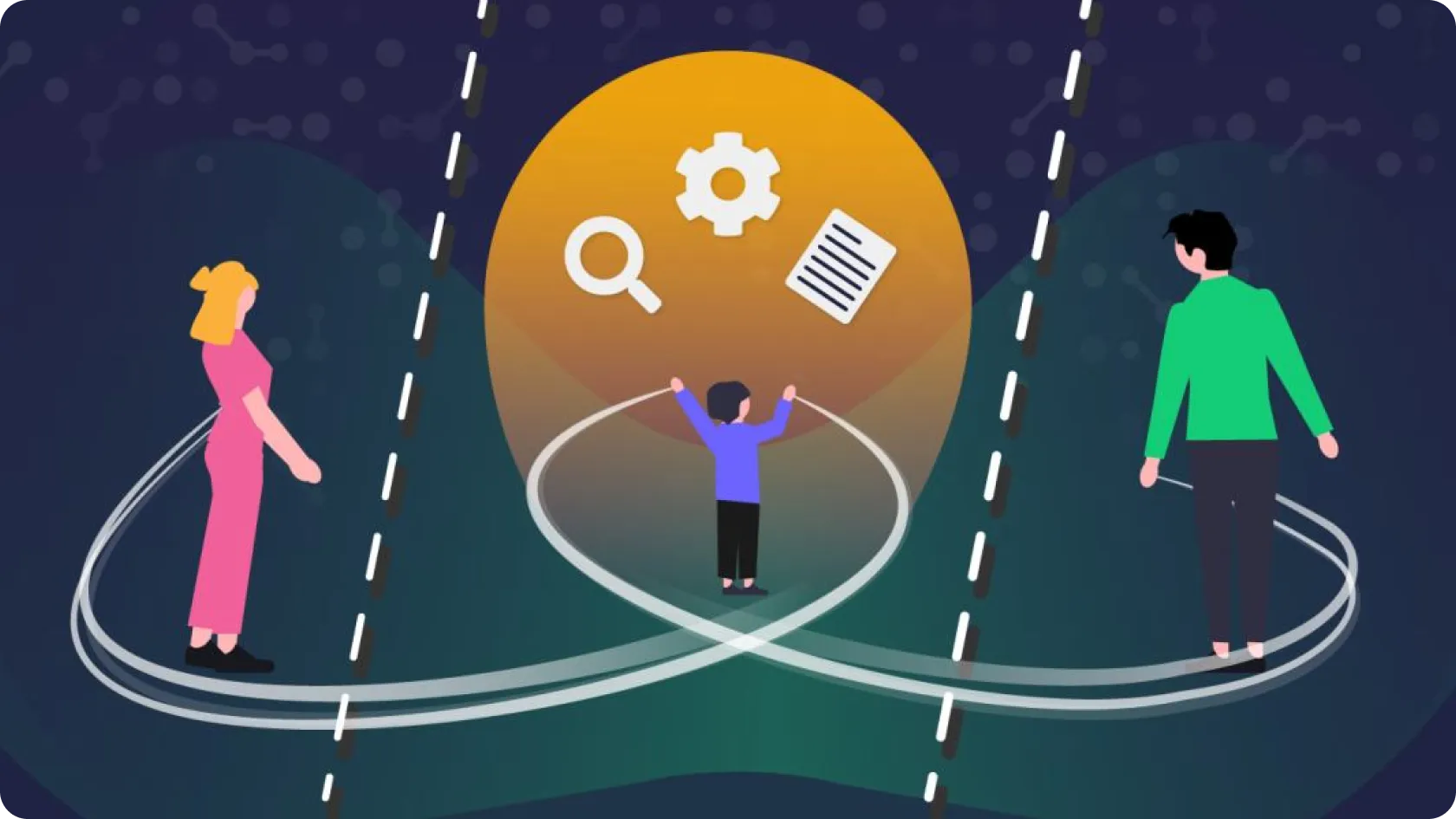
During the preliminary analysis, the service designer and business analyst studied both touch points of the potential consumers and providers of the service as well as the business processes necessary for the operation of the service. During the analysis, we identified that the components, conditions and structure of the service described in the draft law would not have enabled us to achieve the expected results.
We made our proposals to allow the service to function. The business analyst described the business processes of the service components provided for in the draft law, from which it was drawn that providing the service in the described manner would lead to an unreasonable amount of work.
The service designer studied the needs of the users as well as the experiences of family mediators currently working in reconciliation. The service designer pointed out that the supervision provided for in the draft, the pre-control of the parents by the coordinator, and the binding agreements are not in line with the interests of the parents or the principles of trusting cooperation between parents.
As a result of the preliminary analysis, the family reconciliation service did not proceed as proposed, but the decision to correct the structure of the service was made. This prevented the failure of nationally necessary service and the development of unnecessary information and service systems and provided an opportunity to create a functional and goal-fulfilling national family reconciliation service.
In conclusion
„You can only manage what you control."
Therefore, if you want to effectively manage your business and have better control, the answer is yes - bring a business analyst to your project. Keep an eye out for our follow-up posts soon, where we'll provide an overview of the stages of a business intelligence project and discuss when to involve a service designer.
Would you like to discuss your ideas?
You can contact us at any stage of the project - from the development of the idea to the creation and evaluation of new digital solutions.

Get in touch
Write or call, and together, we will find the best way to bring your idea to life. We will reply shortly, and our experienced team will ensure that the project will succeed from the very first idea to the final execution.