Updating the existing system: the case of Tourism Information System 2.0 (Kuldmuna - 3rd place)
The development project of the new Visit Estonia portal was awarded third place in the Website category at the 2025 Kuldmuna competition. The recognition was given for a solution that combines user experience, visual design, and clear purpose into a cohesive whole. The portal inspires exploration through content that is presented in an aesthetically thoughtful and user-centred way. It demonstrates that collaborative digital solutions create value for both the client and the end user.
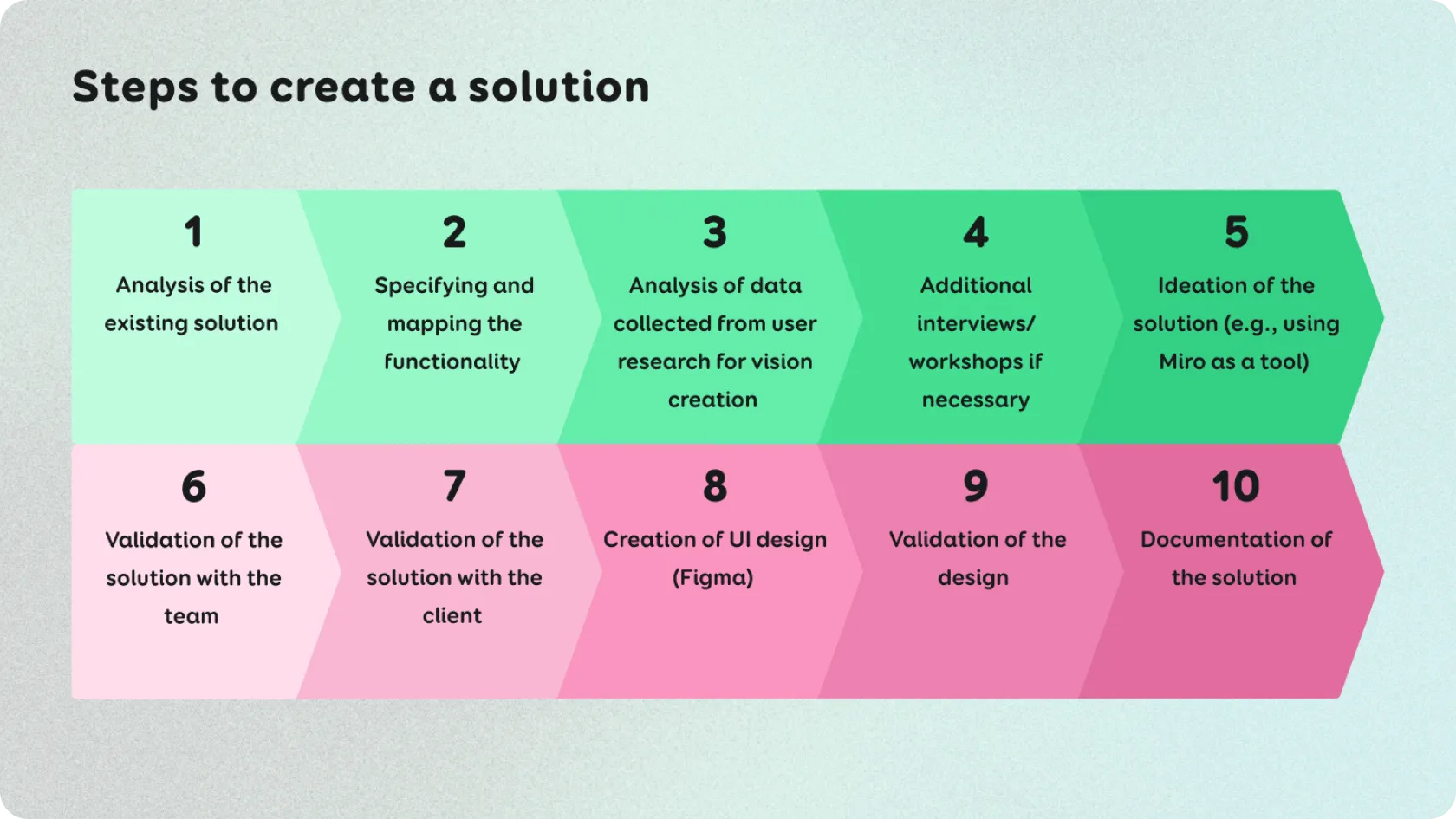
This article discusses what it means to create a new version of an existing solution, how such a project is executed, which roles are involved, and what potential challenges exist.
Every such project begins with assembling a team. In this case, Trinidad Wiseman involved UX designers, a business analyst, and a UI designer, while AS Datel was responsible for the development team activities. This was a collaborative project, whose aim was to create new versions of the Visit Estonia website (managed by the joint institution of EAS and KredEx), and its specialist environment necessary for content management.
Before diving into the project activities, let's familiarise ourselves with the roles and their responsibilities.
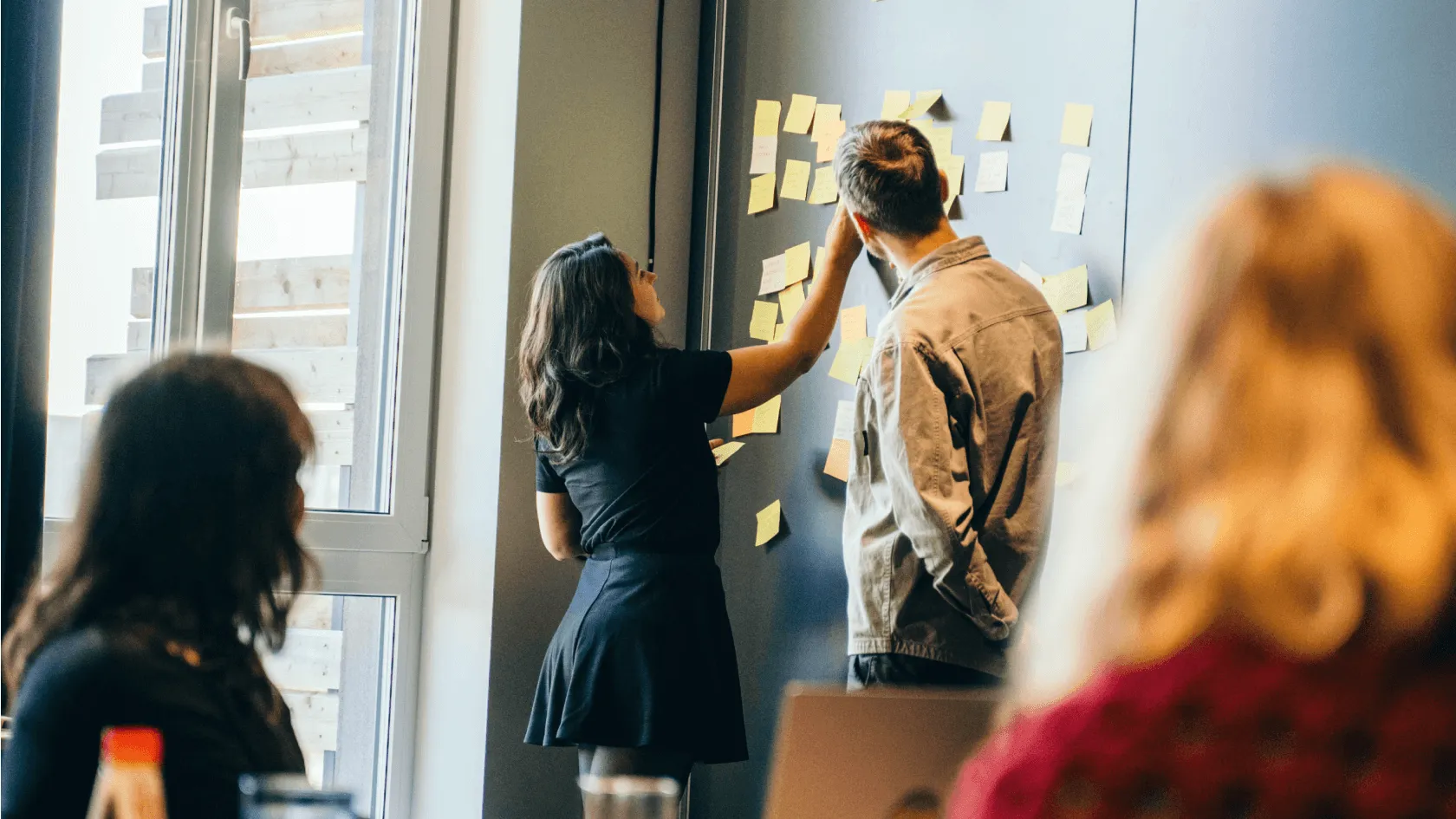
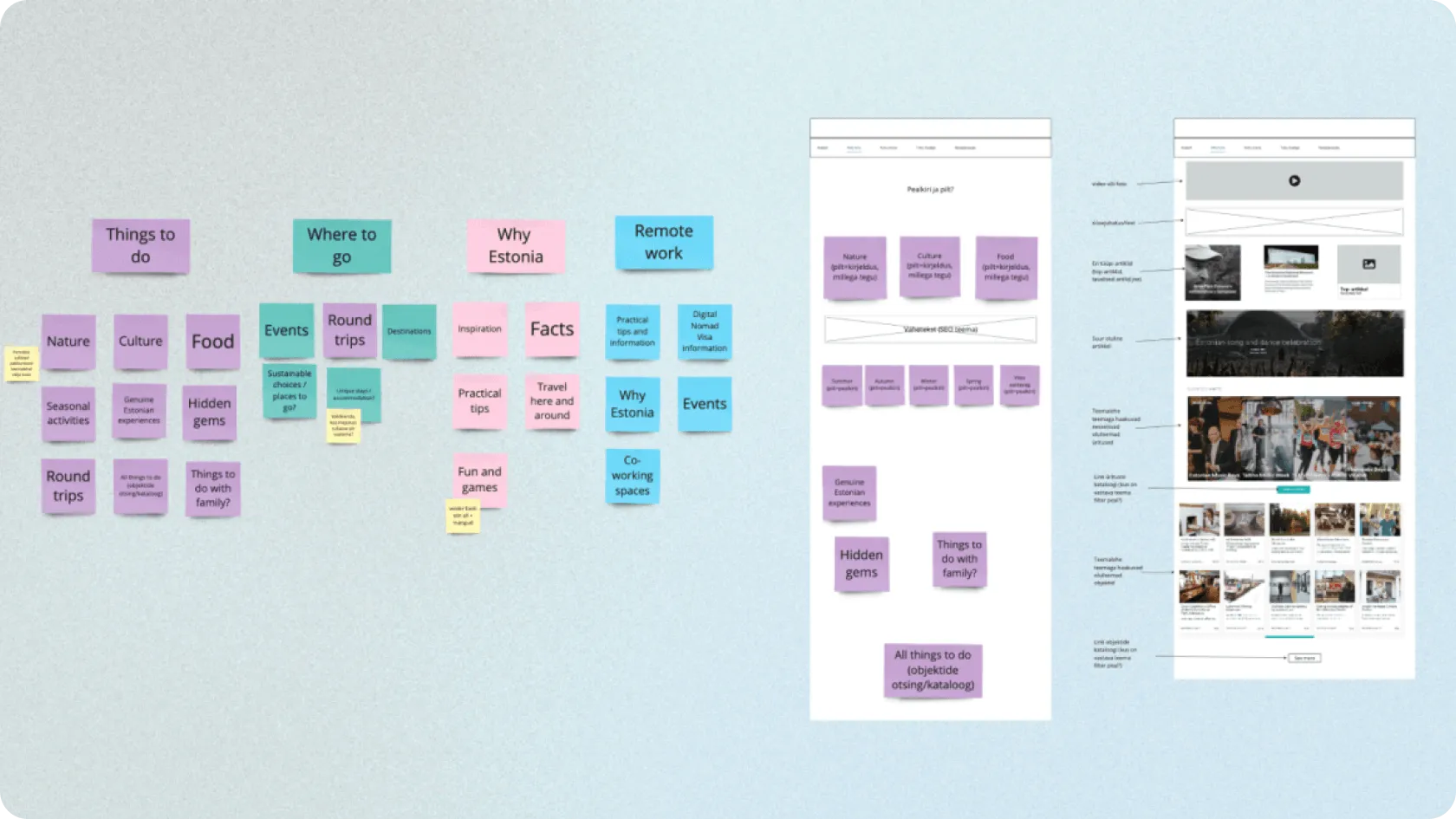
- The UX designer, or user experience designer, gets to know the end users and their needs, and creates a solution concept taking all learned insights into account (see figure 1 below.) User experience design is often intertwined with service design.
During the project, the best possible integrated solution is created, taking business constraints also into account. The work of UX designers serves as input for both business analysts and UI designers and helps the client understand whether they are on the right track towards the desired solution. - The business analyst conducts an analysis of functionalities, considering the UX designer's creations, the previous situation, and business decisions and desires; and documents all of these solutions in a structured and unambiguous way.
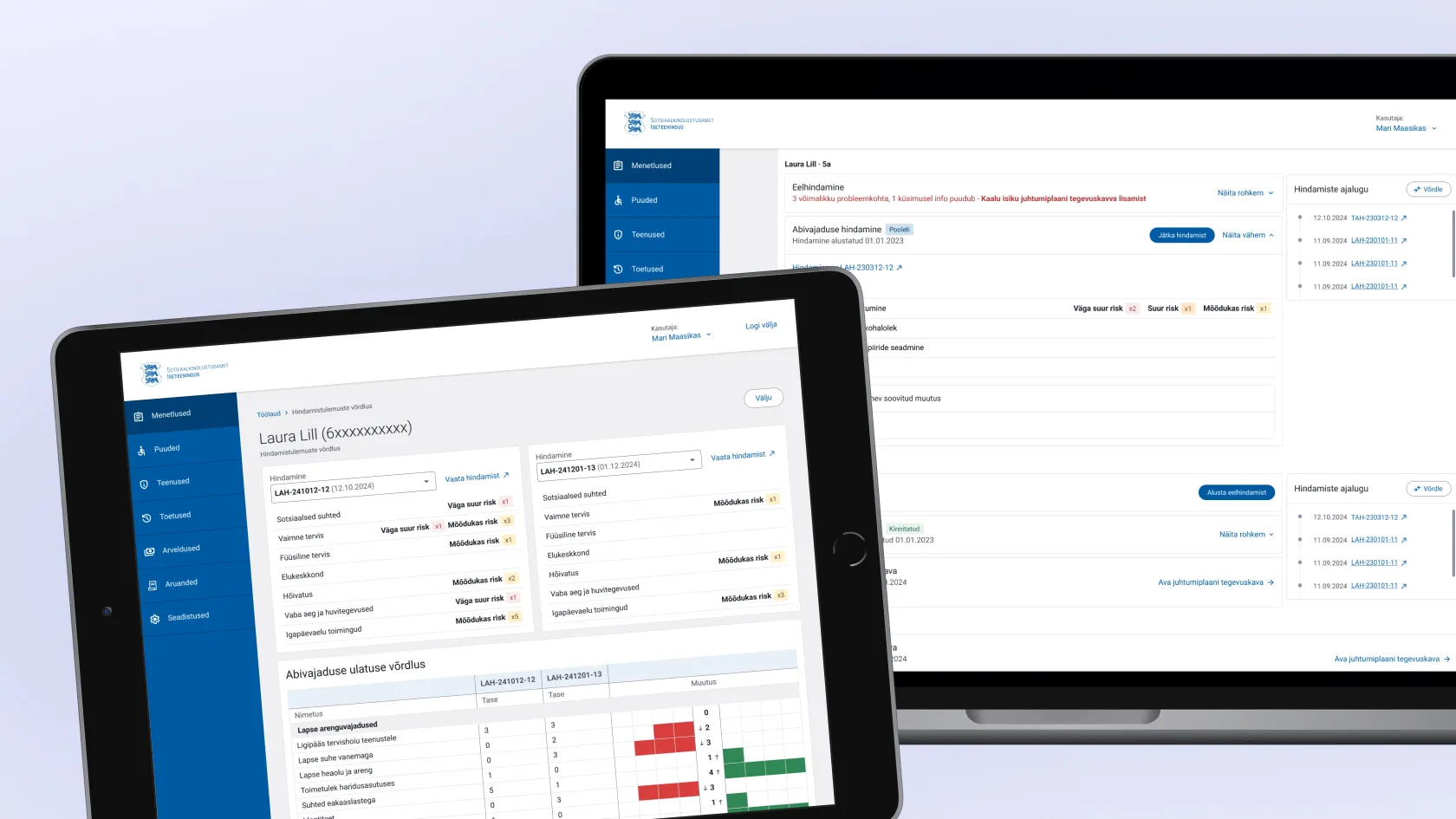
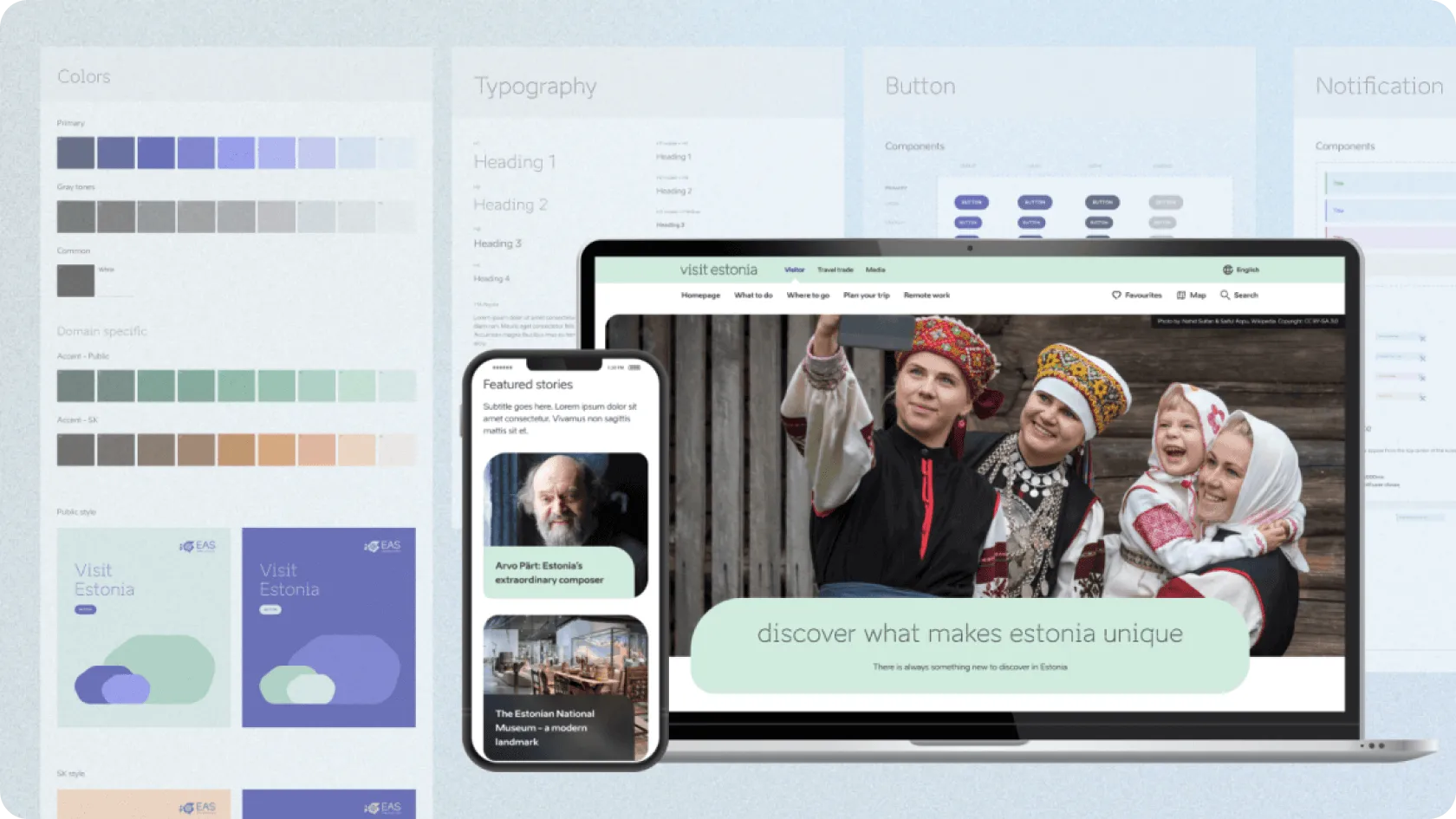
- The UI designer creates the user interface’s visual design, which is user-friendly, attractive, and meets the expectations of the target group. The UI designer is also responsible for the project's unified visual language and therefore creates and manages a design system (UI kit) for this purpose.
The output of the UI designer's work is used in their daily tasks by both front-end developers and business analysts and system analysts. For more information, read our recommendations in the article "When to choose UX for your project, when UI designer?"
All previously described roles collaborate closely in creating the final solution; in this project, cooperation worked excellently.
At Trinidad Wiseman, we support you throughout the entire process – from mapping end-user needs and business objectives to developing prototypes, design systems, and user-friendly solutions. Our UX and UI designers, service designers, analysts, and developers work as one team to deliver well-considered and effective outcomes.
Would you like to discuss your ideas?
You can contact us at any stage of the project - from the development of the idea to the creation and evaluation of new digital solutions.

Get in touch
Write or call, and together, we will find the best way to bring your idea to life. We will reply shortly, and our experienced team will ensure that the project will succeed from the very first idea to the final execution.