How to control chaos in software development with a design system and component library?
Developing a software solution is time-consuming and detailed, where design and development always go hand in hand for the best result. Large teams are not always very efficient when doing teamwork.
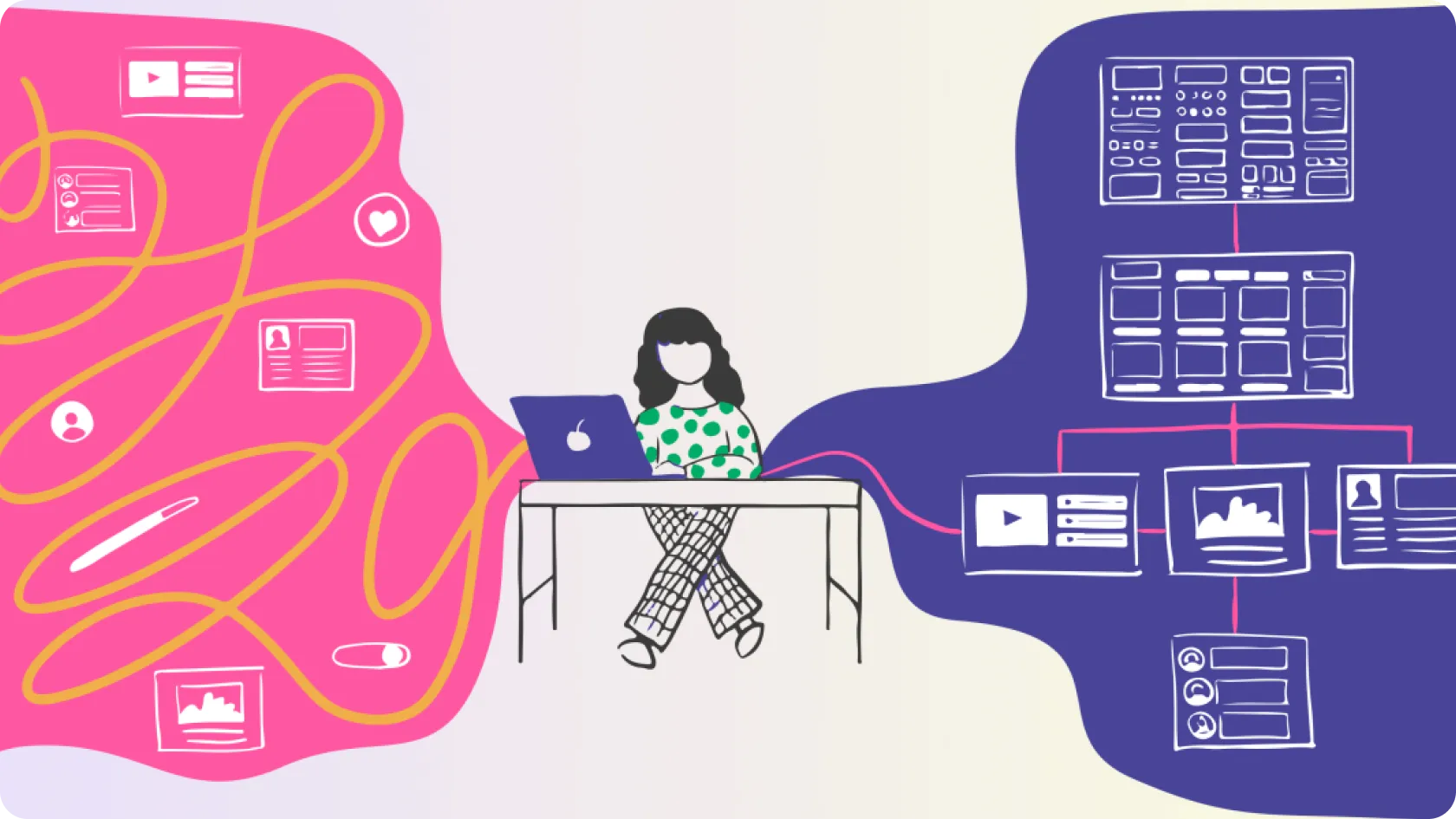
There are more misunderstandings; existing user interface patterns are often left undocumented or forgotten when team members change. Over time, a huge number of disposable components will be created, and eventually, no one will know where and what should be used.
Patterns that were supposed to stay the same have grown apart in appearance and functionality. Every component and pattern that is new and unique, like a snowflake, makes it very difficult to involve new developers and is not sustainable in a long-term project.
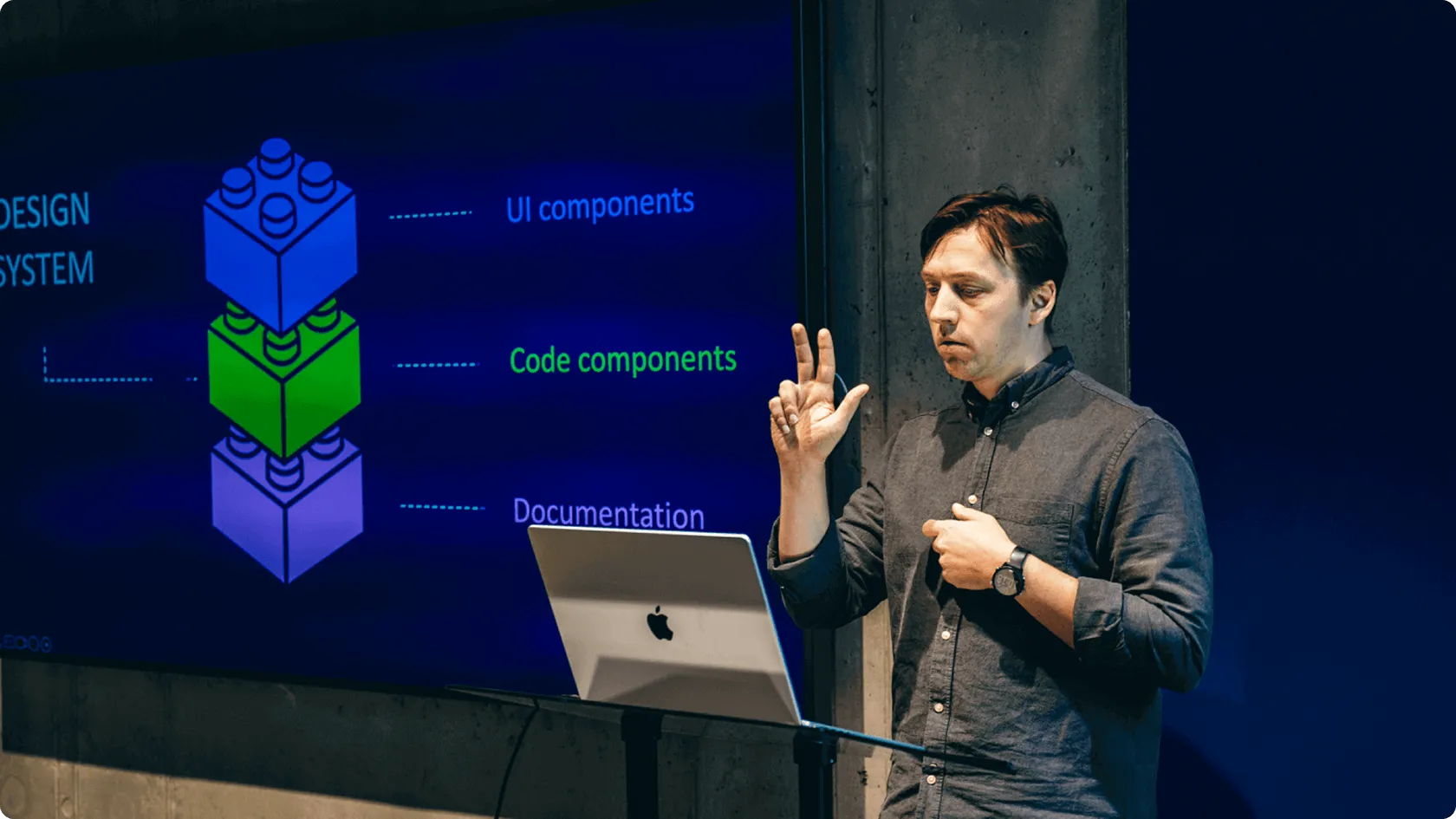
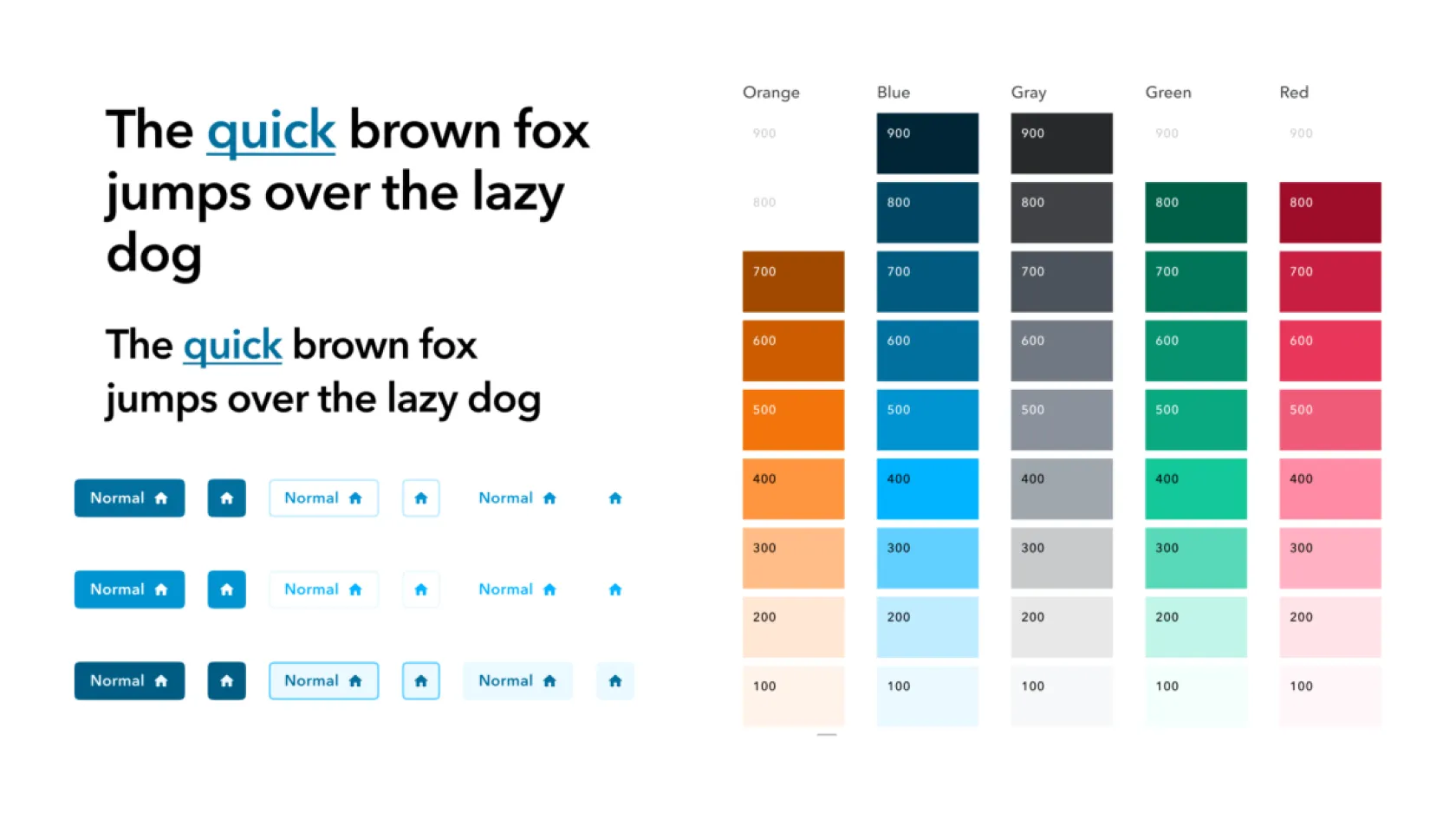
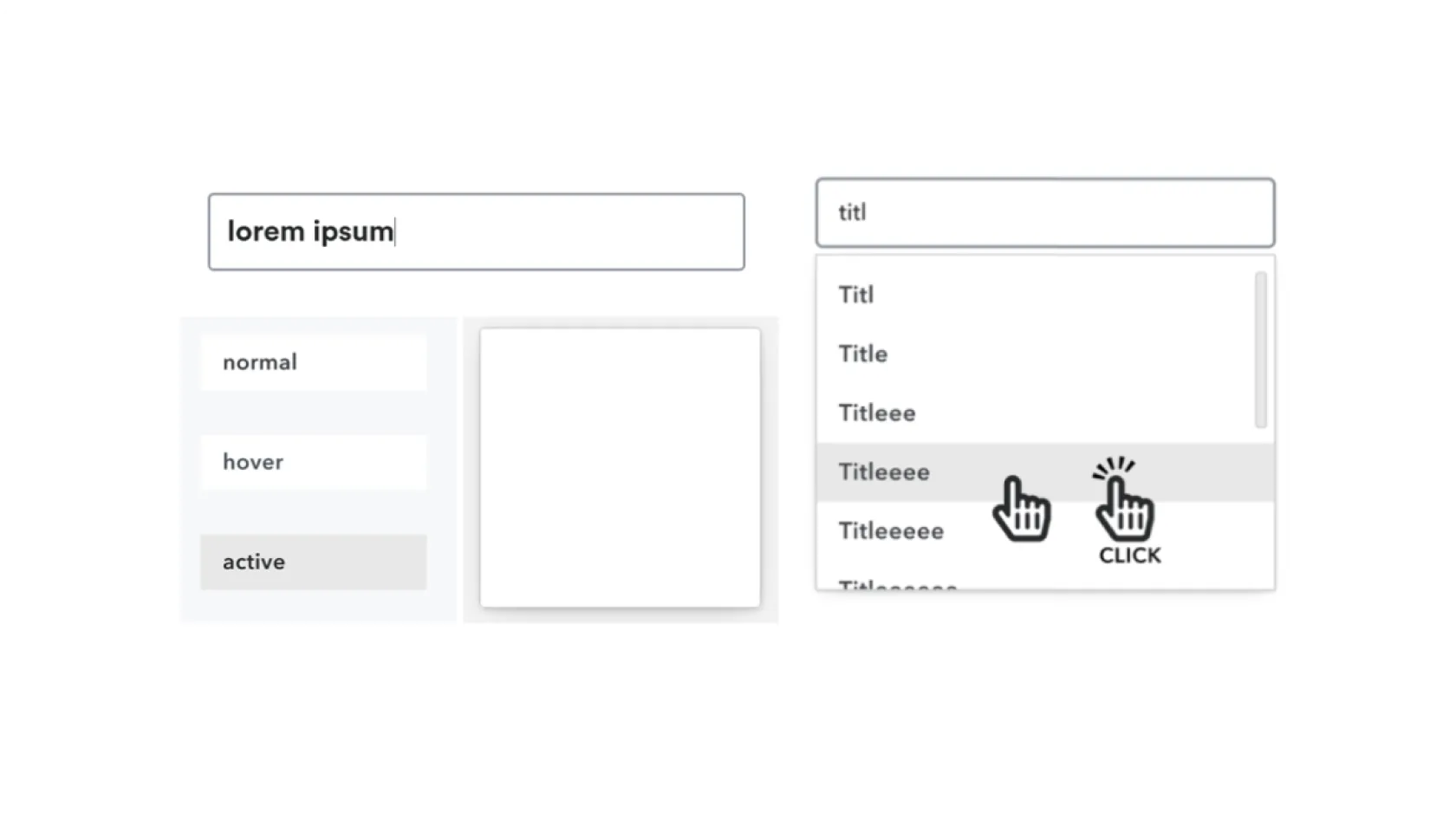
Design systems component library should only contain "clean" presentation components. Here are the most important features of reusable presentation components:
- only deal with the presentation layer;
- respond only to inputs;
- does not contain application-specific business logic;
- are agnostic to how or where the data is loaded.
A component library should not contain application-specific components that include business logic; otherwise, all applications using the system should have the same business logic constraints. In addition, the library should exclude one-off components, even if you hope they will one day become part of the design system - teams manage precisely as much code as they need.
The tools we use
Storybook is a UI component development environment in which components can be developed and presented outside the main application. This way, you can work context-free with one module at a time and without a complex development stack. In addition, Storybook is very good for documenting and testing components in isolation and integrates with all popular JavaScript frameworks.
In principle Bit is very similar to Storybook. Still, in addition to the development environment, it also offers all the rest of the infrastructure as a service, which you would otherwise have to set up yourself as needed (package manager, public and private environments for viewing documentation and components, versioning, etc).
Depending on the project, we use one or the other. It must be considered that although Bit is a larger package, as is typical of turnkey services, it also contains paid functionalities. Using the tool, we lose control to some extent, as the service provider has already made some decisions. At the same time, for Storybook, setting up the infrastructure and best practices is going to take up more time.
Summary
Building a design system and component library is challenging and not a one-and-done job. Applications, best practices, knowledge and opinions evolve and change over time. There are many options to slow down the chaos and "software rot" that comes with it. One of the most basic and simple victories is the proper management and development of the design system and component library.
Would you like to discuss your ideas?
You can contact us at any stage of the project - from the development of the idea to the creation and evaluation of new digital solutions.

Get in touch
Write or call, and together, we will find the best way to bring your idea to life. We will reply shortly, and our experienced team will ensure that the project will succeed from the very first idea to the final execution.