What are the 6 main benefits of design systems in creating software solutions?
Developing digital products and services is a time-consuming job full of many details. Creating a user interface for a seemingly simple software solution involves making many difficult decisions.
For one digital product to reach the end-user, it is necessary to involve specialists from several areas: analysis, UX and UI design, front-end development, and testers. These specialists make various decisions that should be documented, accessible, and reusable.
Design systems help speed up the software development process and improve its quality. I am Hardi Niilo - Design Systems, Visuals & Accessibility Team Lead at TWN (Trinidad Wiseman); I will talk more about the design system and its main benefits in this article.
What is a design system?
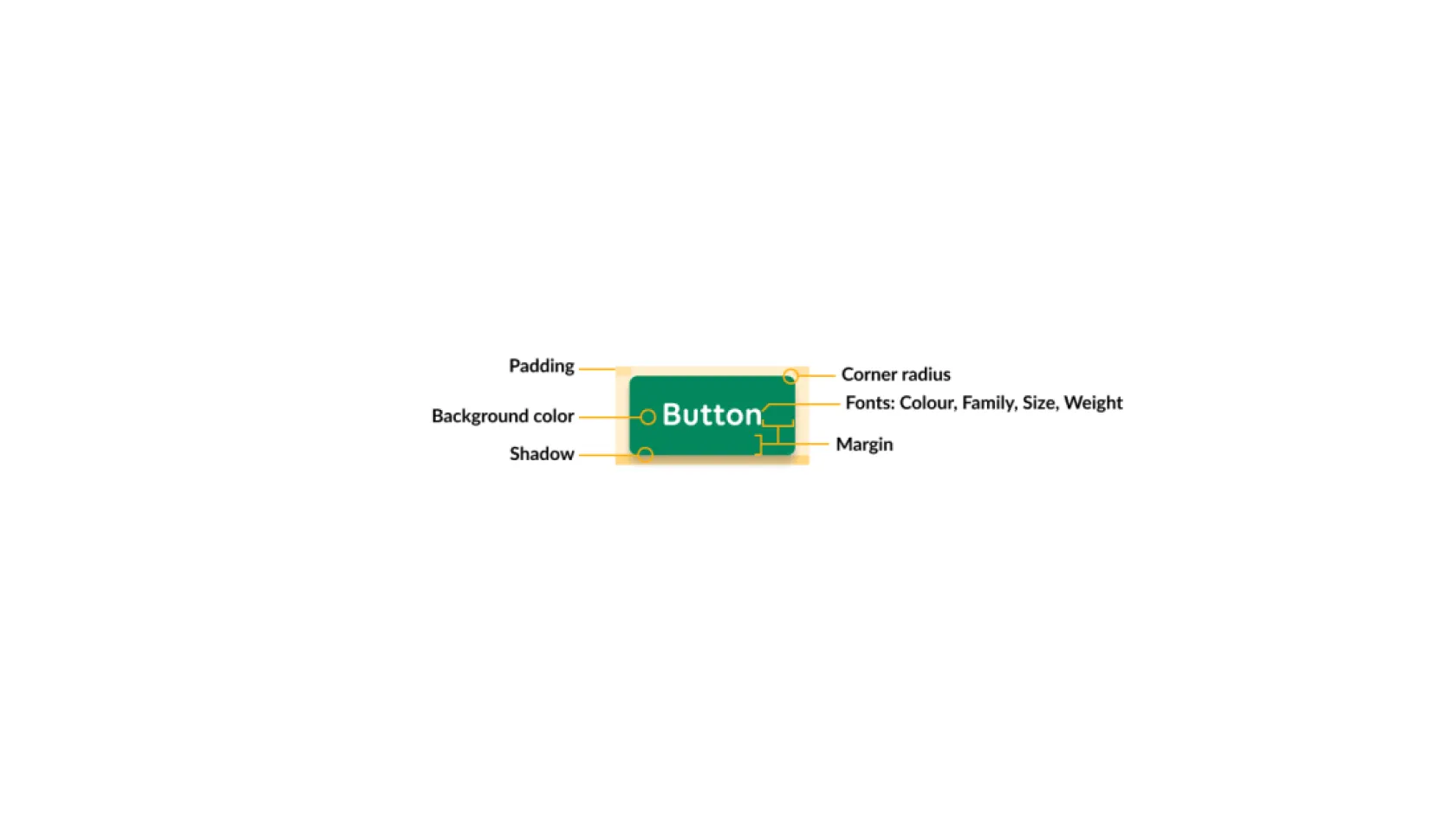
I define design systems as a collection of reusable user interface components for designers and developers. This includes documentation with general organizational guidelines for designing and creating user interfaces.
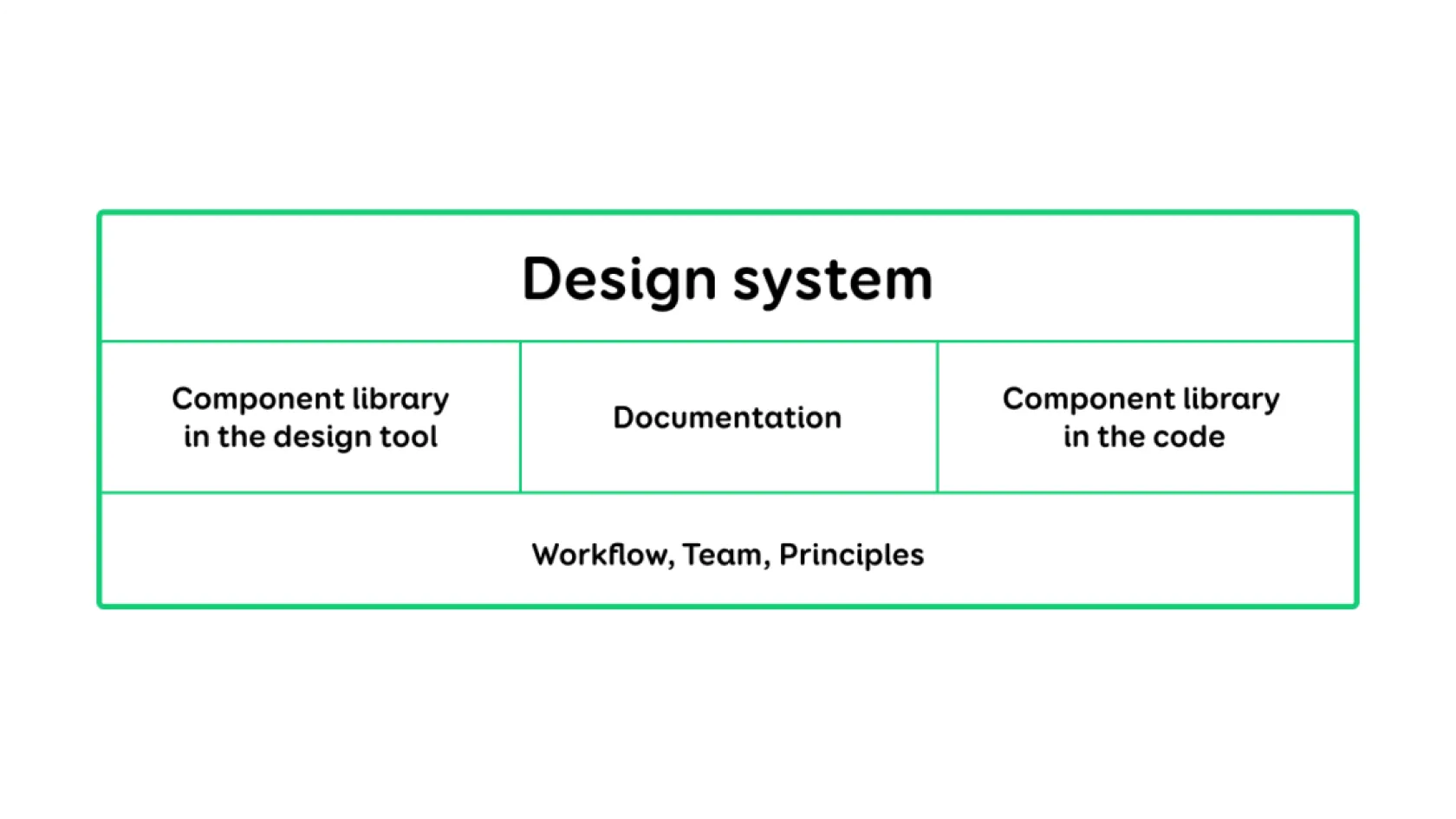
Based on TWN's long-standing design practice, I highlight the main values that design systems offer as follows:

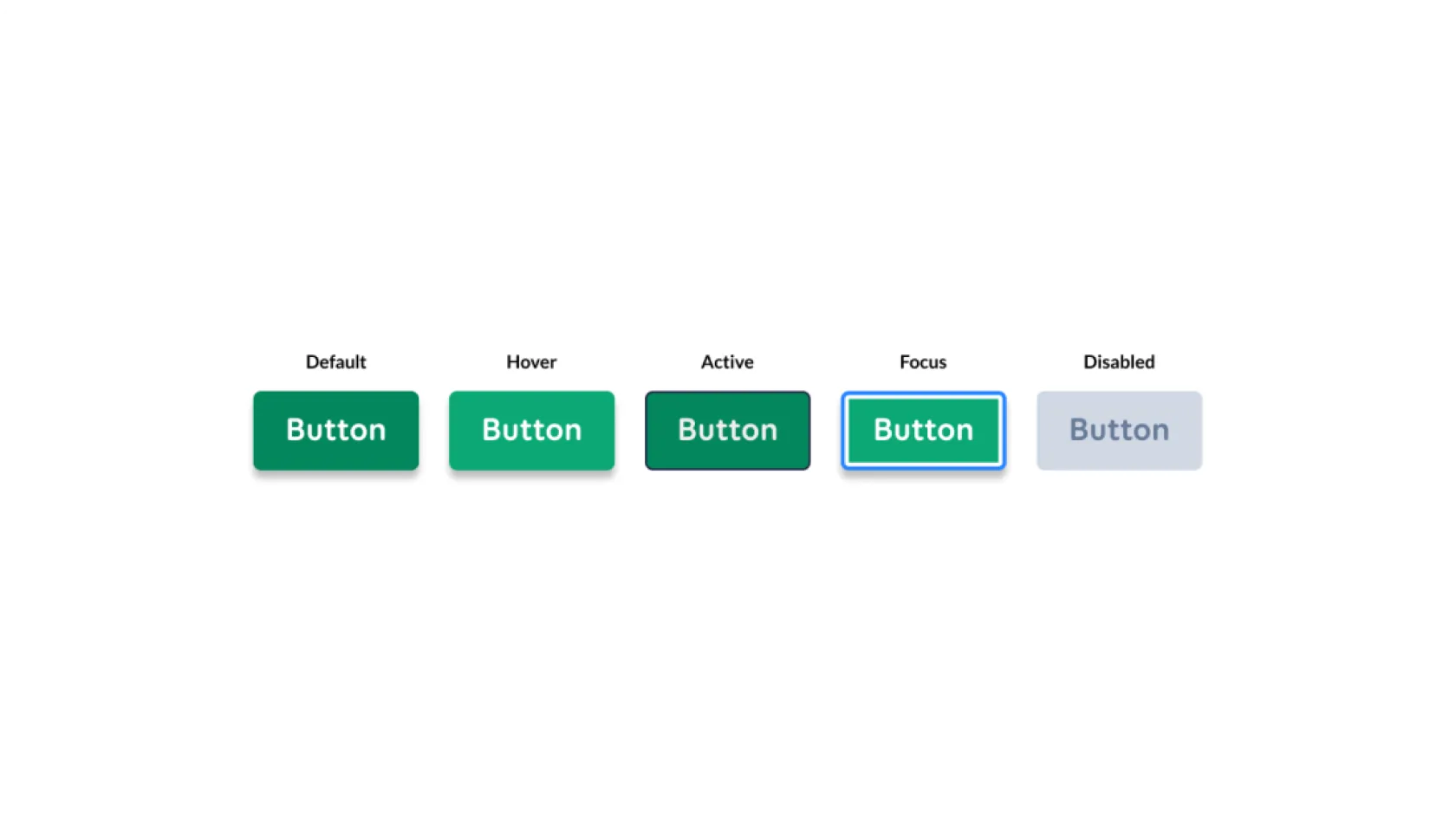
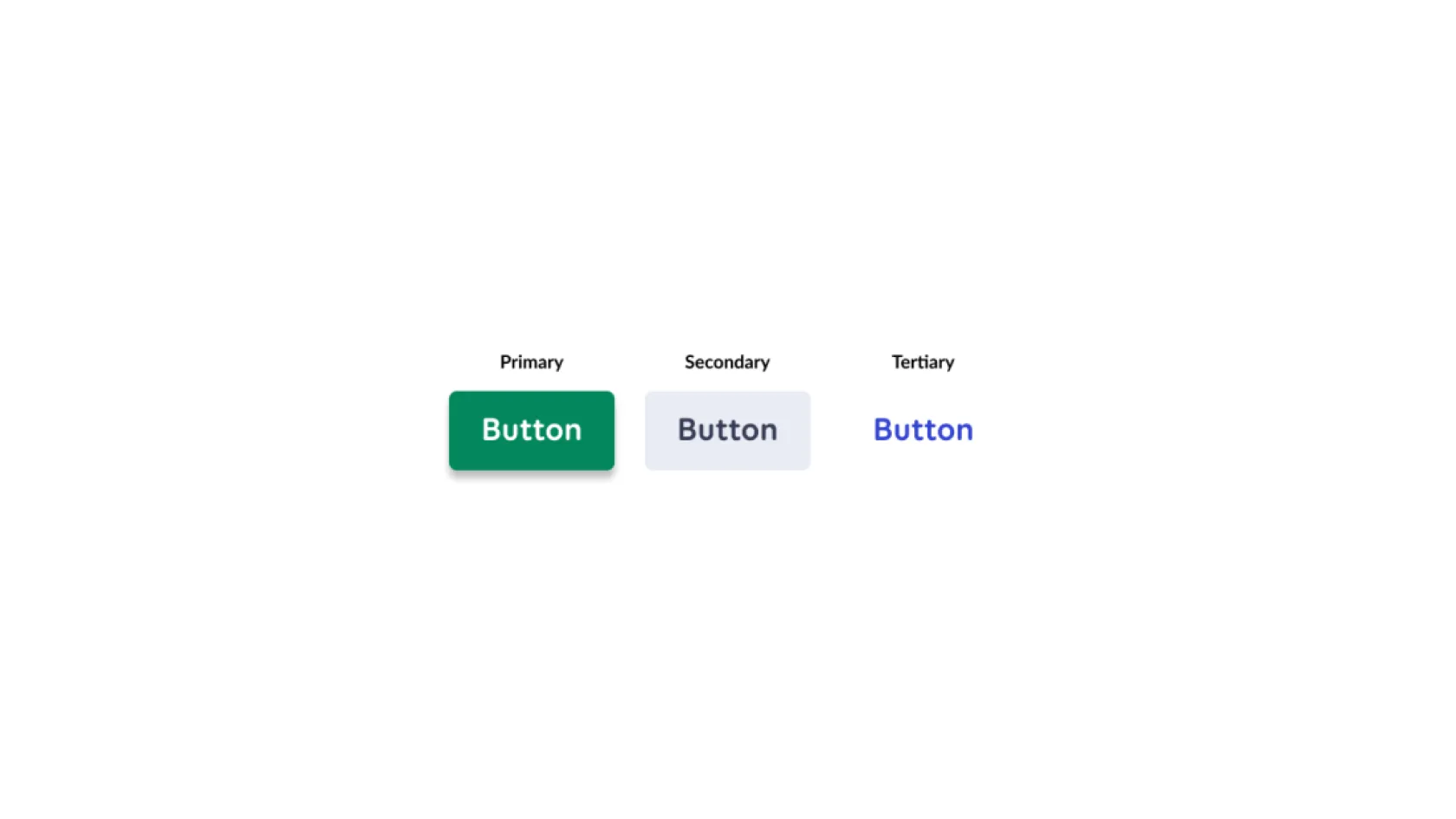
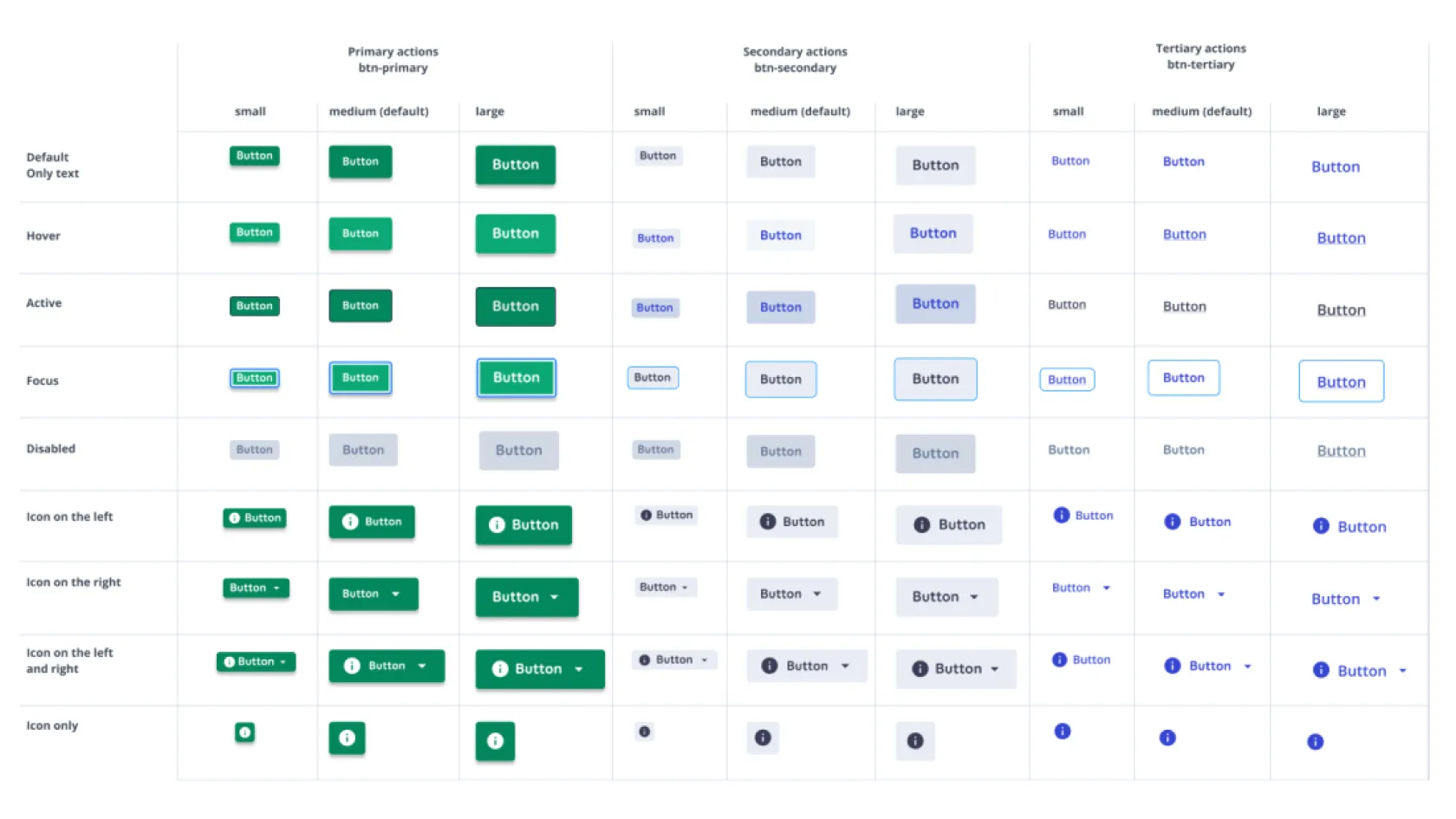
Summary
The digital world is constantly evolving, and there is a need to keep digital products and services up to date. Creating design systems is certainly not a one-time activity that will answer all questions.
It is an ongoing process and investment that will help your organization keep up with the times, save costs and make projects more efficient in the future.
Would you like to discuss your ideas?
You can contact us at any stage of the project - from the development of the idea to the creation and evaluation of new digital solutions.

Get in touch
Write or call, and together, we will find the best way to bring your idea to life. We will reply shortly, and our experienced team will ensure that the project will succeed from the very first idea to the final execution.