When four becomes one: things to consider when merging complex systems together, ECHA case study
In our modern world, the ubiquity of chemicals in our surroundings often goes unnoticed. From industrial processes to household items, the sheer volume of chemical substances has surged, necessitating a robust regulatory framework for their evaluation and approval.
The efficiency of submission systems in handling those processes becomes crucial. A well-performing system not only ensures the safety of these substances but also holds significant benefits for both the environment and humanity.
Fast paced technological development and digital transformation demand flexibility and constant readiness to change even from the biggest and most stable enterprises. Things that worked so well just yesterday will seem outdated tomorrow and keeping up with the pace is quite a challenge.
ECHA 4 Submission Tools
This was exactly the case of ECHA (European Chemicals Agency) that decided to undergo quite drastic change and merge their existing submission systems into a new single one.
Trinidad Wiseman assisted them in a very first steps of the way, conducting necessary evaluations, research and educational activities to facilitate a better vision of the upcoming changes.
ECHA is a European Union agency that focuses on the safe use of chemicals. It implements the EU's chemicals legislations to offer safety for human health, the environment and innovation in Europe.
Currently, ECHA manages 4 different submission platforms, each covers a certain EU legislation:
- REACH-IT (manages REACH and CLP regulations, allows to securely submit, process and manage data and dossiers);
- R4BP3 (submissions related to the Biocidal products regulation);
- ePIC (PIC submissions, export outside the EU);
- ECHA Submission portal (online way to centrally manage notifications for hazardous mixtures).
Each of those systems is very specific, has its own user interface, terminology and level of complexness. It is also very important to manage each submission in a correct way because the stakes of making a mistake during submission process are often too high and may result in fines, process delays and rejections.
And four systems are not a limit – there is always a possibility of EU issuing new legislation that will require developing yet another digital submission tool in ECHA’s portfolio.

Motivated and curious client is the key to the success
It is equally important for the client to understand the context of user research, rationale and the processes behind it. Client wished to obtain a better understanding of UX Design practices and tools, so 2 full-day workshops were planned and conducted in the ECHA office.
First workshop introduced the basics of UI and UX theory and guided through best practices of the usability testing. Second day was more practical and included some brainstorming exercises such as Edward de Bono’s “6 Thinking hats” as well as a 4 hour long co-design workshop.
15-17 ECHA representatives participated in total on both days. This is an admirable approach as learning the basics of interaction design and usability testing within the company provides a better ground for future work and interpretation of study results.
Outcomes and planning for the future
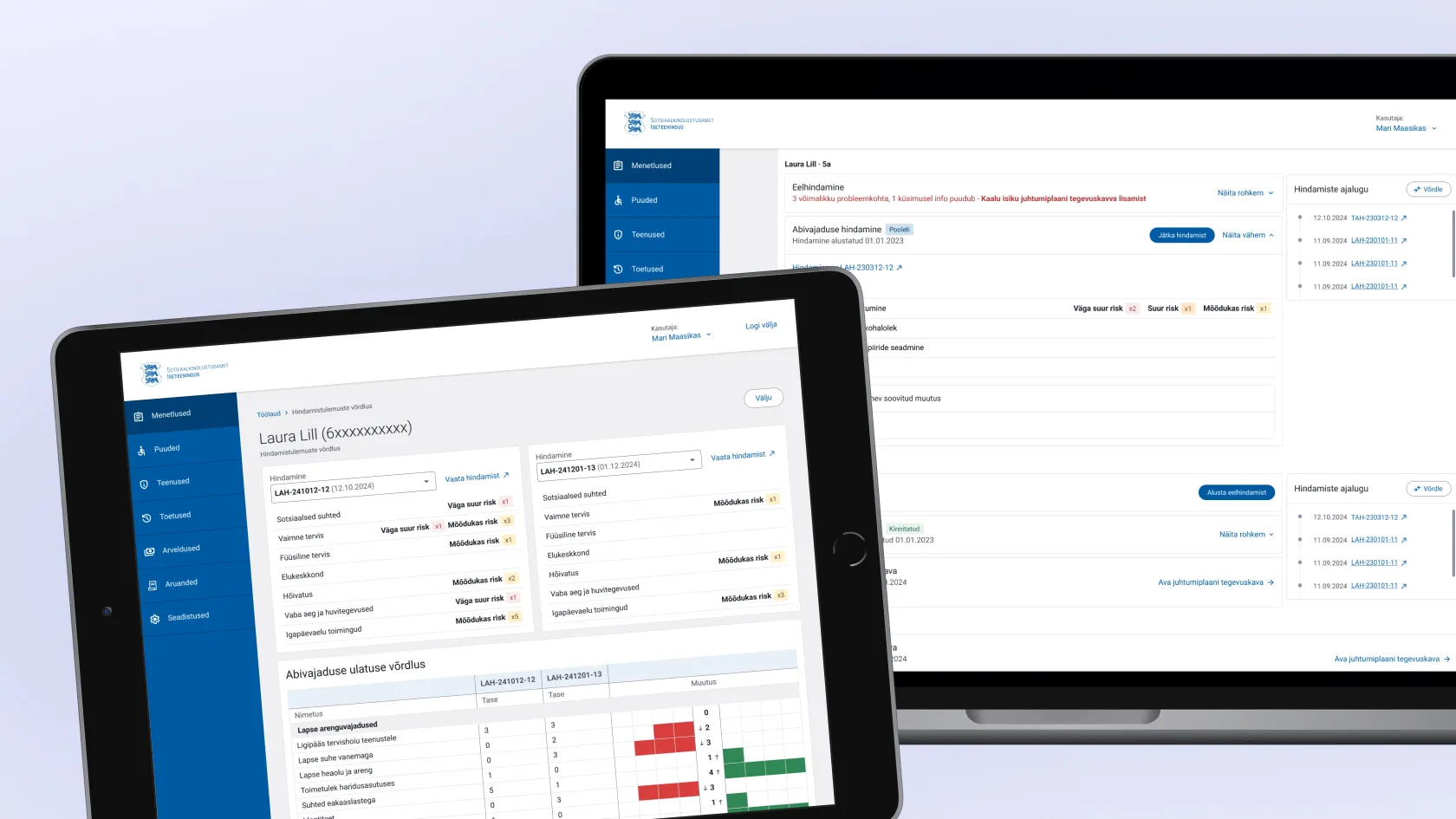
As a result of this half-year project an initial prototype of ECHA Unified Submission Portal was created. The design concept was based on conducted research, users’ feedback and best industry practices.
This mockup would serve as a starting point for future discussion with the users and stakeholders. It will definitely undergo many iterations, changes and refinements along the way, but it is a first step that we were proud to have a say in.
Would you like to discuss your ideas?
You can contact us at any stage of the project - from the development of the idea to the creation and evaluation of new digital solutions.

Get in touch
Write or call, and together, we will find the best way to bring your idea to life. We will reply shortly, and our experienced team will ensure that the project will succeed from the very first idea to the final execution.